Wrinkle Rayon, a remarkable textile innovation, has been steadily gaining popularity in the fabric market. As a dedicated supplier of Wrinkle Rayon, I am often asked how it compares to cotton, a long – standing staple in the textile industry. In this blog, I aim to delve into a comprehensive comparison between Wrinkle Rayon and cotton from multiple perspectives, including their characteristics, production, usage, and environmental impact. Wrinkle Rayon

Raw Materials and Production
Cotton is a natural fiber derived from the cotton plant. The process begins with the cultivation of cotton plants in large fields. The fluffy white fibers are carefully harvested, usually by machine in modern – era agriculture. After harvesting, the cotton fibers undergo ginning to separate the seeds from the fibers. Then they are spun into yarns, which can be further processed into various types of cotton fabrics through weaving or knitting.
On the other hand, Wrinkle Rayon is a semi – synthetic fiber. It is made from cellulose, which is commonly sourced from wood pulp or bamboo. The production process starts with dissolving the cellulose material in a chemical solution to form a viscous liquid. This solution is then extruded through a spinneret to create filaments, which are similar in appearance to natural fibers. These filaments are then spun and woven or knitted into fabrics.
The production of cotton is highly dependent on agricultural conditions, such as climate, soil quality, and water availability. Pests and diseases can also pose significant threats to cotton crops, often requiring the use of pesticides and fertilizers. In contrast, the production of Wrinkle Rayon can be more controlled in a factory environment, but it involves the use of chemicals, which raises concerns about environmental pollution if proper waste – management practices are not in place.
Physical and Chemical Characteristics
Softness and Comfort
Cotton is renowned for its softness and breathability. The natural fibers have a gentle texture that is kind to the skin, making it a popular choice for infant wear, underwear, and other clothing items that come into direct contact with the body. The fibers allow air to circulate freely, which helps keep the body cool and dry, reducing the risk of skin irritation and discomfort.
Wrinkle Rayon also offers a high level of softness. Its smooth surface gives it a luxurious feel, similar to silk in some cases. It drapes well, creating elegant silhouettes in clothing. However, in terms of breathability, the performance of Wrinkle Rayon can vary. Some high – quality Wrinkle Rayon fabrics are designed to be breathable, but generally, they may not be as breathable as cotton, especially in hot and humid conditions.
Absorbency
Cotton has excellent absorbency. It can absorb a significant amount of moisture, up to 27 times its own weight, which makes it a great choice for towels, bedding, and sportswear. When we sweat, cotton fibers can quickly soak up the moisture, keeping our skin dry and comfortable.
Wrinkle Rayon also has good absorbency, although it may not be as high as that of cotton. It can absorb moisture and release it relatively quickly, but in situations where there is excessive sweating, cotton may be a better option for maintaining dryness.
Durability
Cotton is a relatively durable fiber, but its strength can vary depending on the type of cotton and the fabric construction. Generally, combed cotton is stronger and more durable than regular cotton. Cotton fabrics can withstand repeated washing and wear, but they may shrink over time, especially if not washed and dried properly.
Wrinkle Rayon, on the other hand, has a similar level of durability to cotton in normal usage. However, it is more prone to wrinkling, which may give the impression of being less durable. High – quality Wrinkle Rayon fabrics with proper finishing treatments can be more resistant to wrinkles and maintain their shape better.
Resistance to Wrinkles
One of the key differences between Wrinkle Rayon and cotton is their resistance to wrinkles. As the name suggests, Wrinkle Rayon is designed to resist wrinkling to a certain extent. Advanced manufacturing techniques and chemical treatments are applied during the production process to give Wrinkle Rayon its wrinkle – resistant properties. This makes it a convenient choice for busy individuals who don’t have time to iron their clothes regularly.
Cotton, unfortunately, is notorious for wrinkling easily. After being washed and dried, cotton fabrics often require ironing to look presentable. Different types of cotton fabrics have varying degrees of wrinkling, but in general, they are less wrinkle – resistant than Wrinkle Rayon.
Usage in Different Industries
Apparel
In the apparel industry, both Wrinkle Rayon and cotton have their unique advantages. Cotton is widely used in casual wear, such as T – shirts, jeans, and shorts. Its breathability and comfort make it suitable for everyday use, especially in warm climates. It is also commonly used in workwear, where durability is important.
Wrinkle Rayon is often used in more formal or dressy clothing. Its smooth texture and wrinkle – resistant properties make it a great choice for blouses, dresses, and business suits. It can create a polished and professional look without the need for constant ironing.
Home Textiles
Cotton is the dominant choice in home textiles. It is used in making sheets, pillowcases, duvet covers, towels, and curtains. Its absorbency and softness make it ideal for bedding, while its durability ensures that it can withstand frequent washing.
Wrinkle Rayon is also used in home textiles, particularly in decorative items such as tablecloths and some types of curtains. Its ability to drape well and its elegant appearance add a touch of sophistication to home decor.
Environmental Impact
The environmental impact of cotton and Wrinkle Rayon is a significant consideration. Cotton cultivation is often criticized for its high water consumption. A large amount of water is required to grow cotton crops, and in some regions, this has led to water shortages and environmental degradation. Additionally, the use of pesticides and fertilizers in cotton farming can contaminate soil and water sources, posing risks to human health and the ecosystem.
The production of Wrinkle Rayon also has its environmental challenges. The chemical processes involved in making Wrinkle Rayon can generate pollutants if not properly managed. However, some manufacturers are now using more sustainable production methods, such as using recycled cellulose materials and implementing closed – loop systems to reduce chemical waste and water consumption.
Conclusion
In conclusion, both Wrinkle Rayon and cotton have their own strengths and weaknesses. Cotton is a natural, breathable, and absorbent fiber that is well – suited for a wide range of applications, especially in casual wear and home textiles. However, it is prone to wrinkling and has some environmental challenges related to its cultivation.
Wrinkle Rayon, on the other hand, offers a luxurious feel, wrinkle resistance, and can be used in more formal and fashionable clothing. While it has its own environmental concerns related to chemical processing, there are increasing efforts to make its production more sustainable.
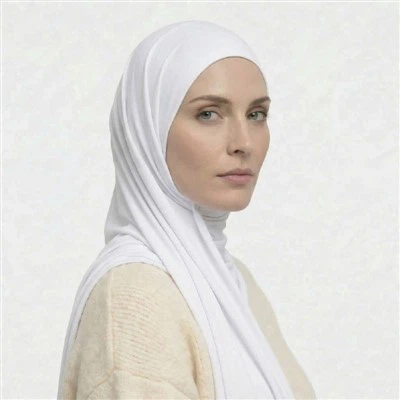
Modal Hijab If you are interested in exploring the unique qualities of Wrinkle Rayon for your business, whether it is for apparel manufacturing or home textile production, I would be more than happy to discuss your requirements. Wrinkle Rayon can bring a new level of convenience and style to your products. Feel free to reach out and start the purchasing negotiation process so that we can work together to meet your specific needs.
References
- Textile Chemistry and Fibre Science, Third Edition by Richard H. Young
- Cotton: Science and Technology by J. McD. Stewart
- Rayon and Other Cellulosic Fibers by I. S. Atalla
Yiwu Wennuan Clothing Co., Ltd.
We’re well-known as one of the most experienced wrinkle rayon manufacturers and suppliers in China. We warmly welcome you to buy customized wrinkle rayon made in China here from our factory. If you have any enquiry about cooperation, please feel free to email us.
Address: 2nd Floor, Building B, No.17 Jinhui Road, Heyetang Industrial Zone, Futian Street, Jinhua, Zhejiang, China
E-mail: wennuan@wennuanfactory.com
WebSite: https://www.wennuanhijab.com/
