Hey there! I’m a supplier of hydraulic clamps, and today I want to chat about a super common question I get asked all the time: Can a hydraulic clamp be used in corrosive environments? Hydraulic Clamp
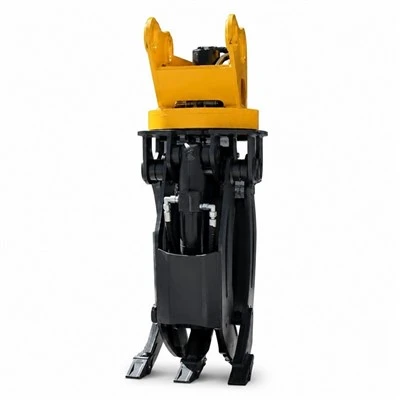
First off, let’s talk about what a hydraulic clamp is. For those of you who aren’t in the know, a hydraulic clamp is a device that uses hydraulic pressure to hold a workpiece firmly in place. It’s used in a whole bunch of industries, like manufacturing, automotive, and aerospace. They’re great because they offer a high level of clamping force, which is super important when you’re working on precision tasks.
But when it comes to corrosive environments, things get a little tricky. Corrosive environments can be anything from chemical processing plants, where there are all sorts of harsh chemicals floating around, to marine settings, where the saltwater can be a real pain in the you-know-what for metal equipment.
The Challenges in Corrosive Environments
The big problem with using hydraulic clamps in corrosive environments is, well, corrosion. Corrosion happens when metal reacts with its environment, usually oxygen and water, and starts to break down. This can lead to all sorts of issues for hydraulic clamps.
For starters, the clamping force can be affected. If the metal parts of the clamp corrode, they might not be able to hold the workpiece as tightly as they should. This can cause problems with the quality of the work being done. For example, in a manufacturing process where precision is key, a loose clamp could lead to misaligned parts or bad cuts.
Another issue is the lifespan of the clamp. Corrosion can eat away at the metal over time, making the clamp weaker and more prone to failure. This means you might have to replace the clamp more often, which can be a real hassle and cost you a lot of money in the long run.
Solutions for Using Hydraulic Clamps in Corrosive Environments
But here’s the good news: it’s not all doom and gloom. There are actually a few ways we can make hydraulic clamps work in corrosive environments.
Material Selection
One of the most important things is choosing the right materials for the clamp. Stainless steel is a popular choice because it resists corrosion really well. It has a protective layer of chromium oxide on the surface that helps prevent rusting. Titanium is another great option. It’s lightweight and has excellent corrosion resistance, although it can be a bit more expensive.
We also use special coatings on the clamps. For example, we can apply a zinc coating, which acts as a sacrificial layer. Zinc corrodes more easily than the base metal of the clamp, so it protects the clamp from getting damaged. There are also polymer coatings that can provide a barrier between the metal and the corrosive environment.
Design Considerations
The design of the hydraulic clamp also plays a big role in its ability to withstand corrosion. We make sure to minimize areas where moisture can collect. For example, we avoid designs with sharp corners or crevices where water can pool and accelerate corrosion.
We also use seals and gaskets that are resistant to chemicals. These seals prevent the corrosive substances from getting inside the clamp and damaging the internal components, like the hydraulic cylinders.
Maintenance
Regular maintenance is crucial when using hydraulic clamps in corrosive environments. You need to clean the clamps regularly to remove any corrosive substances that might have stuck to them. Inspecting the clamps for signs of corrosion, like rust spots or pitting, is also important. If you catch corrosion early, you can take steps to prevent it from getting worse.
Real – World Examples
I’ve seen hydraulic clamps in action in all sorts of corrosive environments. Let me tell you about a project where we supplied hydraulic clamps to a chemical processing plant. The plant was producing some really corrosive chemicals, so we knew we had to come up with a good solution.
We used stainless – steel clamps with a special polymer coating. We also made sure the design was optimized to prevent moisture collection. The customer was really happy with how well the clamps held up. They had previously had problems with other clamps corroding quickly, but our clamps lasted much longer and maintained their clamping force throughout the process.
Another example is in the marine industry. We’ve supplied hydraulic clamps for boat building and repair. The saltwater in the ocean is extremely corrosive, but by using titanium clamps and proper sealing, we’ve been able to provide a reliable solution for our customers.
Conclusion
So, can a hydraulic clamp be used in corrosive environments? The answer is yes, with the right approach. By choosing the right materials, designing the clamp properly, and performing regular maintenance, hydraulic clamps can work effectively in even the toughest corrosive conditions.
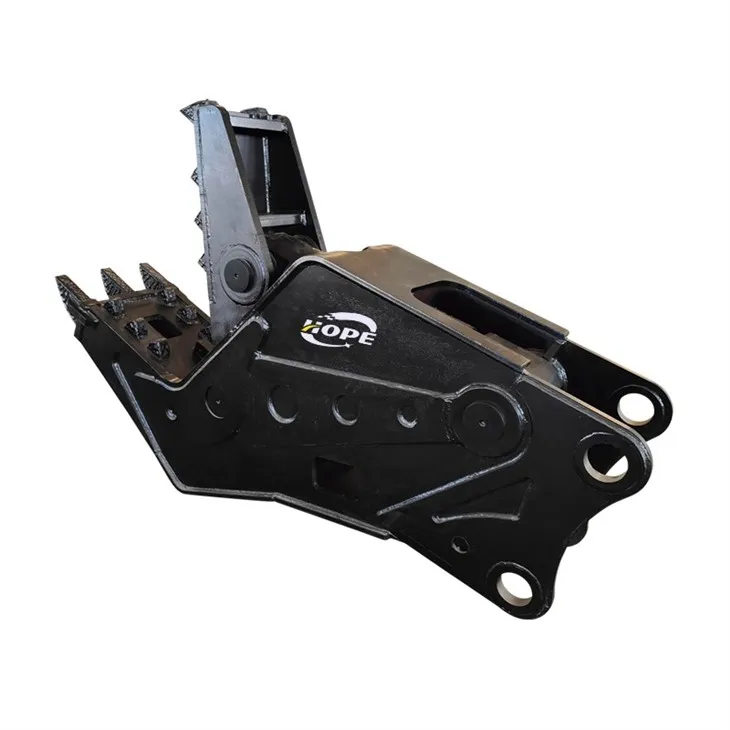
If you’re in an industry that requires hydraulic clamps for corrosive environments, don’t hesitate to reach out. We’ve got the expertise and the products to meet your needs. Whether you’re in manufacturing, chemical processing, or the marine industry, we can help you find the perfect hydraulic clamp solution. Let’s start a conversation about your project and see how we can work together.
Grapple References
- "Corrosion Resistance of Metals and Alloys" by Robert W. Revie
- "Hydraulic Systems and Components: Design and Application" by Peter D. Watson
Hope Precision Machinery Co., Ltd.
As one of the most professional hydraulic clamp manufacturers and suppliers in China, we also support customized service. Please feel free to buy high quality hydraulic clamp for sale here from our factory. For more information, contact us now.
Address: No.8 Shenzhen Street, Development Zone, Yantai,Shandong ,China
E-mail: lulu@hope-breaker.com
WebSite: https://www.hopeequip.com/
