What is the vibration level of a Horizontal Surface Grinder?
As a supplier of horizontal surface grinders, I’ve encountered numerous inquiries from customers regarding the vibration level of these machines. Understanding the vibration level is not just a technical detail; it’s a crucial factor that directly impacts the performance, precision, and overall lifespan of the grinder. In this blog, I’ll delve into what the vibration level of a horizontal surface grinder is, why it matters, and how we manage it to ensure the best quality for our customers. Horizontal Surface Grinder
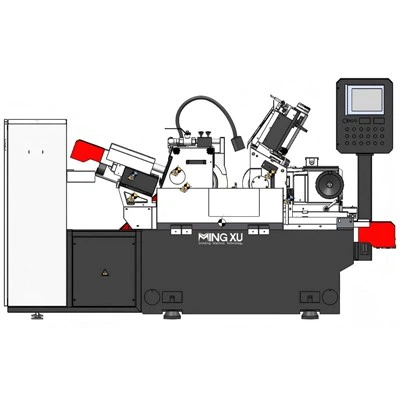
What is the Vibration Level of a Horizontal Surface Grinder?
The vibration level of a horizontal surface grinder refers to the degree of mechanical oscillation that the machine experiences during its operation. It is typically measured in terms of amplitude (the maximum displacement of the vibrating part from its equilibrium position) and frequency (the number of oscillations per unit of time). These measurements are usually expressed in units such as millimeters (mm) for amplitude and Hertz (Hz) for frequency.
Vibrations in a horizontal surface grinder can originate from various sources. The most common one is the rotation of the grinding wheel. As the wheel spins at high speeds, even the slightest imbalance can cause it to vibrate. Other sources include the movement of the worktable, the operation of the spindle, and the interaction between the grinding wheel and the workpiece.
Why Does Vibration Level Matter?
The vibration level of a horizontal surface grinder has a profound impact on several aspects of its performance.
Precision: One of the primary requirements in surface grinding is achieving high precision. Excessive vibrations can cause the grinding wheel to deviate from its intended path, resulting in uneven surface finishes and inaccurate dimensions of the workpiece. For applications where tight tolerances are required, such as in the aerospace or medical device industries, even the slightest vibration can lead to significant quality issues.
Tool Life: Vibration can also accelerate the wear and tear of the grinding wheel and other cutting tools. The constant impact and movement caused by vibrations can cause the abrasive grains on the wheel to break or wear down more quickly, reducing its efficiency and lifespan. This not only increases the cost of tool replacement but also affects the overall productivity of the grinding process.
Machine Life: In addition to affecting the tools, excessive vibration can also have a negative impact on the entire grinder. It can cause the machine’s components to loosen, misalign, or fatigue over time, leading to mechanical failures and costly repairs. By maintaining a low vibration level, we can extend the service life of the grinder and reduce downtime for maintenance.
How We Control the Vibration Level in Our Horizontal Surface Grinders
At our company, we take several measures to control the vibration level in our horizontal surface grinders and ensure optimal performance.
Wheel Balancing: As mentioned earlier, wheel imbalance is one of the main causes of vibration in a grinder. To address this issue, we use advanced wheel balancing systems to ensure that the grinding wheel is perfectly balanced before and during operation. These systems can detect and correct even the slightest imbalances, minimizing the vibration caused by the wheel.
Rigid Machine Structure: A rigid machine structure is essential for reducing vibration. Our horizontal surface grinders are designed with a robust frame and heavy-duty components to provide maximum stability. The use of high-quality materials and advanced manufacturing techniques ensures that the machine can withstand the forces generated during grinding without excessive vibration.
Vibration Dampening Technology: We also incorporate vibration dampening technology into our grinders to absorb and dissipate vibrations. This can include the use of vibration-absorbing materials, such as rubber or polyurethane, in the machine’s base and other critical components. Additionally, we use precision bearings and other components that are designed to reduce vibration and noise.
Regular Maintenance and Calibration: To ensure that the vibration level remains within acceptable limits, we recommend regular maintenance and calibration of the grinder. This includes checking and adjusting the wheel balance, inspecting the machine’s components for wear and tear, and lubricating moving parts as needed. Our team of experienced technicians is available to provide on-site maintenance and support to ensure that your grinder is always operating at its best.
Monitoring the Vibration Level
In addition to taking preventive measures, we also monitor the vibration level of our horizontal surface grinders during operation. This allows us to detect any potential issues early on and take corrective action before they cause significant problems.
We use advanced vibration sensors and monitoring systems to measure the vibration level of the grinder in real-time. These sensors can detect even the slightest changes in vibration and provide detailed data on the amplitude and frequency of the vibrations. Our technicians can then analyze this data to identify the source of the vibration and determine the appropriate course of action.
By monitoring the vibration level, we can also optimize the performance of the grinder. For example, if we notice that the vibration level is higher than normal during a particular grinding operation, we can adjust the grinding parameters, such as the wheel speed or feed rate, to reduce the vibration and improve the surface finish of the workpiece.
Conclusion
In conclusion, the vibration level of a horizontal surface grinder is a critical factor that affects its performance, precision, and overall lifespan. As a supplier of horizontal surface grinders, we understand the importance of controlling the vibration level and take several measures to ensure that our machines operate at the highest level of quality.
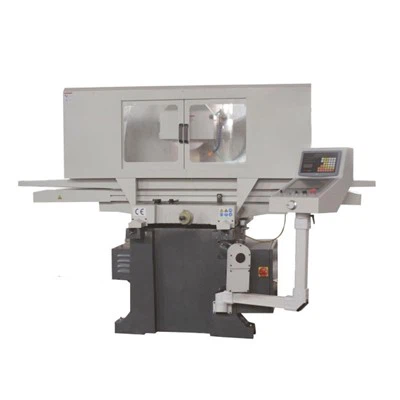
By using advanced wheel balancing systems, a rigid machine structure, vibration dampening technology, and regular maintenance and calibration, we can minimize the vibration level in our grinders and provide our customers with a reliable and efficient grinding solution. Additionally, by monitoring the vibration level during operation, we can detect and address any potential issues early on, ensuring that our customers’ grinders are always operating at their best.
Wide-Wheel Centerless Grinder If you’re in the market for a horizontal surface grinder or have any questions about vibration levels or other technical aspects of our machines, we’d be happy to hear from you. Contact us to learn more about our products and how we can meet your specific grinding needs.
References
- Smith, J. (2018). Fundamentals of Machining Technology. Publisher XYZ.
- Johnson, A. (2020). Precision Grinding Techniques. ABC Publications.
- Brown, R. (2019). Vibration Analysis in Machine Tools. DEF Press.
Wuxi Mingxu Machinery Equipment Co., Ltd.
As one of the most professional horizontal surface grinder manufacturers and suppliers in China, we’re featured by quality products and good price. Please rest assured to buy the best horizontal surface grinder for sale here from our factory. Also, custom service is available.
Address: No. 5-5 Jinke Wealth Plaza, Changjiang North Road, Xinwu District, Wuxi City, Jiangsu Province
E-mail: yingyingmxjd@163.com
WebSite: https://www.mingxu-china.com/
