Hey there! I’m a supplier of hexagonal mesh, and I often get asked about how this nifty stuff works in electromagnetic fields. So, I thought I’d sit down and write this post to break it all down for you in plain English… well, plain American English, to be more specific. Hexagonal Mesh
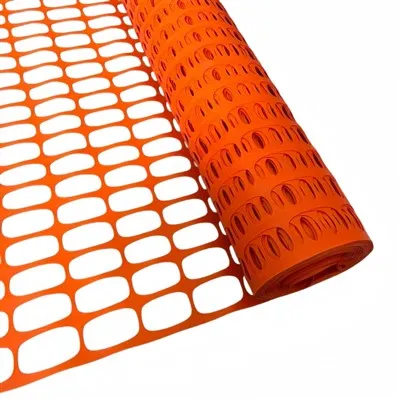
What’s a Hexagonal Mesh Anyway?
Before we dive into the electromagnetic side of things, let’s quickly talk about what a hexagonal mesh is. It’s exactly what it sounds like – a mesh made up of hexagons. These hexagons are connected to form a continuous structure. It’s a super popular design in various industries because of its strength and flexibility.
You can find hexagonal mesh in all sorts of places. It’s used in fencing, for keeping animals in or out of certain areas. It’s also used in construction for reinforcing concrete and in filtration systems. But today, we’re going to focus on its role in electromagnetic fields.
Electromagnetic Fields: The Basics
First off, what are electromagnetic fields? Well, they’re all around us. Every time you turn on your phone, use a microwave, or even just walk under a power line, you’re surrounded by these fields. Electromagnetic fields are created by the movement of electric charges. They’re made up of two parts: an electric field and a magnetic field, and they’re always perpendicular to each other.
There are different types of electromagnetic fields. There are static fields, like the ones you get from a battery, and there are time-varying fields, which are what you get from things like radio waves and microwaves. These fields can have all sorts of effects on the materials they come into contact with, and that’s where our hexagonal mesh comes in.
How Hexagonal Mesh Interacts with Electromagnetic Fields
So, how does a hexagonal mesh work in these electromagnetic fields? Well, it all comes down to a few key properties of the mesh.
Conductivity
One of the most important things about a hexagonal mesh is its conductivity. Most of the meshes we supply are made from conductive materials like steel or aluminum. These materials have free electrons that can move around easily. When an electromagnetic field hits the mesh, these free electrons start to move.
This movement of electrons creates an electric current in the mesh. And as we know from basic physics, an electric current creates its own magnetic field. So, the hexagonal mesh essentially creates its own secondary magnetic field that interacts with the original electromagnetic field.
This interaction can have a few different effects. In some cases, it can help to shield the area behind the mesh from the electromagnetic field. This is really useful in places where you want to protect sensitive electronic equipment from interference. For example, in a data center, you might use hexagonal mesh to create a shield around the servers to keep out any unwanted electromagnetic noise.
Resonance
Another interesting thing that can happen is resonance. Resonance occurs when the frequency of the electromagnetic field matches the natural frequency of the hexagonal mesh. When this happens, the mesh starts to vibrate at a really high amplitude.
This resonance can be both a good thing and a bad thing. On the one hand, it can be used to enhance the absorption of the electromagnetic field. This is useful in applications like electromagnetic wave absorbers, where you want to soak up as much of the electromagnetic energy as possible. On the other hand, if the resonance is too strong, it can cause the mesh to heat up and even damage it. So, it’s important to design the mesh in such a way that you can control the resonance.
Geometric Structure
The hexagonal shape of the mesh also plays a big role in how it interacts with electromagnetic fields. The hexagon is a very efficient shape in terms of packing and distribution. It allows for a more uniform distribution of the electromagnetic field across the mesh.
This uniform distribution means that the mesh can interact with the electromagnetic field more effectively. It also helps to reduce any hotspots or areas of concentrated energy, which can be a problem in other types of meshes.
Applications in Electromagnetic Shielding
One of the main applications of hexagonal mesh in electromagnetic fields is electromagnetic shielding. As I mentioned earlier, the mesh can create a secondary magnetic field that can block or reduce the intensity of the original electromagnetic field.
This is really important in a lot of industries. In the aerospace industry, for example, electronic components on airplanes need to be protected from electromagnetic interference. Hexagonal mesh can be used to create shields around these components to keep them safe.
In the medical field, magnetic resonance imaging (MRI) machines use very strong magnetic fields. These fields can interfere with other electronic devices in the vicinity. Hexagonal mesh can be used to create shielding enclosures to prevent this interference.
Testing and Quality Control
When it comes to supplying hexagonal mesh for electromagnetic applications, testing and quality control are super important. We have a whole range of tests that we run on our meshes to make sure they meet the required standards.
One of the key tests is the electromagnetic shielding effectiveness (SE) test. This test measures how well the mesh can block or reduce the intensity of an electromagnetic field. We use specialized equipment to generate electromagnetic fields of different frequencies and then measure the amount of field that gets through the mesh.
We also test the conductivity of the mesh to make sure it’s consistent across the whole area. And we check the geometric properties of the hexagons to make sure they’re the right size and shape. Any defects in these properties can affect how well the mesh works in an electromagnetic field.
Why Choose Our Hexagonal Mesh?
Now, you might be wondering why you should choose our hexagonal mesh over others on the market. Well, there are a few reasons.
First of all, we have a lot of experience in the industry. We’ve been supplying hexagonal mesh for electromagnetic applications for years, and we’ve learned a lot about what works and what doesn’t. We use the latest manufacturing techniques to ensure that our meshes are of the highest quality.
Secondly, we offer a wide range of options. We can customize the size, shape, and material of the mesh to meet your specific needs. Whether you need a small mesh for a tiny electronic device or a large mesh for a big electromagnetic shielding enclosure, we can make it for you.
Finally, we offer great customer service. Our team of experts is always on hand to answer any questions you might have and to help you choose the right mesh for your application. We also offer fast shipping and competitive prices.
Let’s Talk
If you’re in the market for a hexagonal mesh for your electromagnetic field application, I’d love to hear from you. Whether you’re working on a small project or a large-scale industrial application, we can provide you with the perfect solution.
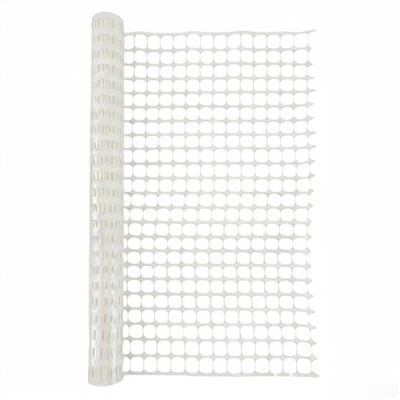
Plastic White Garden Fence Just reach out, and we can start discussing your requirements. I’m confident that we can help you find the right hexagonal mesh to meet your needs. So, don’t hesitate – get in touch today!
References
- Jackson, J. D. (1999). Classical Electrodynamics (3rd ed.). Wiley.
- Cheng, D. K. (1989). Field and Wave Electromagnetics (2nd ed.). Addison-Wesley.
- Balanis, C. A. (2011). Advanced Engineering Electromagnetics (2nd ed.). Wiley.
Shaoxing Yongte Plastics Co., Ltd.
We are one of the most reliable hexagonal mesh manufacturers and suppliers in China, specialized in providing high quality customized products. We warmly welcome you to wholesale discount hexagonal mesh for sale here from our factory. Contact us for pricelist and free sample.
Address: INDUSTRIAL PARK, LIZHU TOWN, KEQIAO DISTRICT, SHAOXING CITY, ZHEJIANG PROVINCE
E-mail: support@sxxyongte.com.cn
WebSite: https://www.fenceplastic.com/
