Cooking can be a delightful experience, but there’s nothing more frustrating than having your food stick to the frying pan. As a seasoned frying pan supplier, I’ve encountered numerous customers facing this common issue. In this blog, I’ll share some practical tips and scientific insights on how to prevent food from sticking to a frying pan, ensuring your cooking process is smooth and enjoyable. Frying Pan
Understanding the Science Behind Food Sticking
Before we delve into the prevention methods, it’s essential to understand why food sticks to the pan in the first place. When food comes into contact with a hot pan, the proteins and moisture in the food start to interact with the surface of the pan. If the pan’s surface is not properly prepared or if the cooking conditions are not right, these proteins can bond tightly to the pan, causing the food to stick.
One of the key factors is the temperature of the pan. If the pan is too cold, the food will release moisture slowly, and the proteins will have more time to adhere to the pan. On the other hand, if the pan is too hot, the moisture in the food will evaporate too quickly, leaving behind a layer of charred proteins that can stick firmly to the pan.
Another factor is the surface condition of the pan. A pan with a rough or uneven surface provides more areas for the food to stick. Additionally, if the pan is not properly seasoned or if the non – stick coating is damaged, food sticking becomes more likely.
Choosing the Right Frying Pan
The first step in preventing food from sticking is to choose the right frying pan. There are several types of frying pans available in the market, each with its own characteristics.
Non – Stick Pans
Non – stick pans are coated with a special material, usually polytetrafluoroethylene (PTFE), which creates a slippery surface that reduces the adhesion of food. When choosing a non – stick pan, look for one with a high – quality non – stick coating. A good non – stick coating should be durable, scratch – resistant, and able to withstand high temperatures.
However, it’s important to note that non – stick pans require proper care. Avoid using metal utensils on non – stick pans, as they can scratch the coating and reduce its non – stick properties. Also, do not preheat non – stick pans at high temperatures without any oil or food in the pan, as this can damage the coating.
Stainless Steel Pans
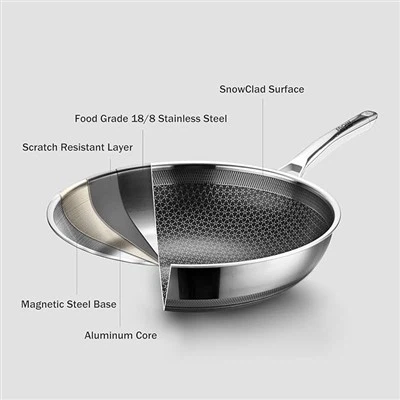
Stainless steel pans are known for their durability and even heating. They do not have a non – stick coating, but they can achieve a non – stick effect if used correctly. Stainless steel pans are great for searing meats and cooking foods that require high – heat cooking.
To make a stainless steel pan non – stick, you need to preheat it properly. Place the pan on the stove over medium – high heat for a few minutes until it reaches the right temperature. You can test the temperature by dropping a small amount of water on the pan. If the water droplets dance and evaporate quickly, the pan is ready.
Cast Iron Pans
Cast iron pans are a classic choice for cooking. They are extremely durable and can retain heat well. Cast iron pans need to be seasoned regularly to maintain their non – stick properties. Seasoning involves coating the pan with a thin layer of oil and heating it to create a polymerized surface.
Properly seasoned cast iron pans can be very effective at preventing food from sticking. They are suitable for a wide range of cooking methods, including frying, baking, and roasting.
Preparation Before Cooking
Once you’ve chosen the right pan, proper preparation is crucial to prevent food sticking.
Preheat the Pan
Preheating the pan is an important step. As mentioned earlier, the right temperature is key to preventing food from sticking. For non – stick pans, preheat them over medium heat for about 1 – 2 minutes. For stainless steel and cast iron pans, preheat them over medium – high heat for 3 – 5 minutes.
Avoid over – preheating the pan, especially non – stick pans. Over – heating can damage the non – stick coating and cause the pan to release harmful fumes.
Oil the Pan Correctly
Using the right amount and type of oil is essential. Different oils have different smoke points, which is the temperature at which the oil starts to break down and smoke. Choose an oil with a high smoke point, such as canola oil, peanut oil, or avocado oil, for high – heat cooking.
To oil the pan, pour a small amount of oil into the pan and use a paper towel or a brush to spread the oil evenly over the entire surface of the pan. Make sure to cover the sides of the pan as well, especially if you’re cooking something that might move around a lot.
Dry the Food
Before cooking, make sure to pat the food dry with a paper towel. Excess moisture on the food can cause it to steam instead of sear, which increases the chances of sticking. This is particularly important when cooking meats, fish, and vegetables.
Cooking Techniques to Prevent Sticking
During the cooking process, there are several techniques you can use to prevent food from sticking.
Don’t Overcrowd the Pan
Overcrowding the pan is a common mistake that leads to food sticking. When there is too much food in the pan, the temperature drops, and the food releases more moisture. This creates a steamy environment that makes the food more likely to stick.
Cook in batches if necessary, and leave enough space between the pieces of food in the pan. This allows the food to cook evenly and reduces the chances of sticking.
Let the Food Cook Undisturbed
Once you’ve placed the food in the pan, let it cook for a while before trying to move it. This allows the food to form a crust on the bottom, which helps to prevent sticking. For example, when cooking a steak, let it cook for 2 – 3 minutes on each side before flipping it.
If you try to move the food too soon, the crust won’t have a chance to form, and the food will be more likely to stick to the pan.
Use the Right Utensils
Using the right utensils can also prevent food from sticking. As mentioned earlier, avoid using metal utensils on non – stick pans. Instead, use wooden, silicone, or nylon utensils, which are gentle on the non – stick coating.
For stainless steel and cast iron pans, metal utensils can be used, but be careful not to scratch the pan’s surface.
Cleaning and Maintenance
Proper cleaning and maintenance of your frying pan are essential to keep it in good condition and prevent food from sticking.
Clean the Pan Immediately
After cooking, let the pan cool down slightly and then clean it immediately. Use warm, soapy water and a soft sponge or cloth to clean the pan. Avoid using abrasive cleaners or steel wool, as they can damage the pan’s surface.
Season Cast Iron Pans Regularly
If you have a cast iron pan, seasoning it regularly is crucial. After cleaning the cast iron pan, dry it thoroughly over low heat on the stove. Then, apply a thin layer of oil to the entire surface of the pan, including the handle. Heat the pan in the oven at a low temperature for about an hour, and then let it cool down.
Repair or Replace Damaged Pans
If your pan has a damaged non – stick coating or a scratched surface, it’s more likely to cause food sticking. In such cases, you may need to consider repairing or replacing the pan. For some non – stick pans, there are repair kits available. However, if the damage is severe, it’s better to replace the pan.
Conclusion
Preventing food from sticking to a frying pan requires a combination of choosing the right pan, proper preparation, using the correct cooking techniques, and regular maintenance. As a frying pan supplier, I’ve seen how these simple steps can make a big difference in the cooking experience.
Wok If you’re in the market for a high – quality frying pan that can help you cook without the hassle of food sticking, I invite you to contact me for procurement and further discussions. I can provide you with a wide range of frying pans that are designed to meet your cooking needs. Whether you’re a professional chef or a home cook, I’m confident that I can help you find the perfect pan.
References
- "The Science of Cooking: Understanding the Fundamentals of Food and Cooking." Harold McGee.
- "Cook’s Illustrated Magazine." America’s Test Kitchen.
- "The Joy of Cooking." Irma S. Rombauer, Marion Rombauer Becker, and Ethan Becker.
Zhejiang Nanyue Kitchenware Co., Ltd.
We’re well-known as one of the leading frying pan manufacturers and suppliers in China, also support customized service. Please feel free to buy high quality frying pan made in China here and get pricelist from our factory. For price consultation, contact us.
Address: Located inside Zhejiang Jialiyuan Industry and Trade Co., Ltd. (Nanyue Kitchenware) in Jiangbin Industrial Zone, Tongqin Town, Wuyi County, Zhejiang Province.
E-mail: nanyuekitchenware@zj-jlypans.com
WebSite: https://www.nanyuecook.com/
