Hey everyone! If you’re reading this, chances are you’ve either bought welded wire mesh before, are thinking about it for a project, or maybe just got stumped by a warranty question last time you reached out to a supplier. Let’s cut to the chase because I’m the owner of a welded wire mesh company—we make stuff for everything from garden fencing to construction reinforcement—and one of the most frequent questions I get is: “What’s the actual warranty period for your welded wire mesh?” Welded Wire Mesh
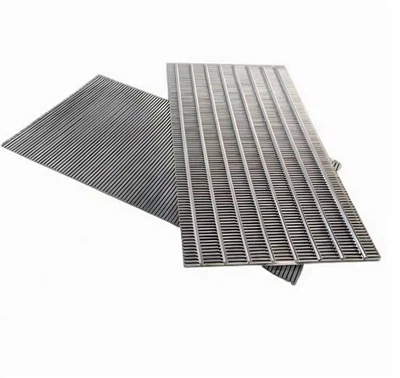
First off, let’s get one thing straight: there’s no one-size-fits-all answer here. I’ve seen people Google “standard welded wire mesh warranty” and get frustrated because it just doesn’t exist. Think about it—welded wire mesh isn’t a single product. You’ve got different materials (galvanized steel, stainless steel, even plastic-coated), different uses (fencing, concrete reinforcement, animal enclosures, grocery store shelving grids), and different environments people put it in. A mesh that works great in a dry backyard isn’t going to hold up the same way in a saltwater coastal area, right? So let’s break this down like we’re chatting over a coffee (not sitting through a boring product manual).
Let’s start with the basics of how welded wire mesh is made, because that directly impacts warranty. When we produce our mesh, we run two main processes: welded wire and then coating (if it’s coated). For galvanized mesh—our most popular pick for fencing—we dip the already-welded panels in molten zinc to seal them from rust. Stainless steel mesh gets its protection from the chromium in the alloy, which forms that invisible oxide layer. Plastic-coated mesh is usually a galvanized base with a PVC or polyester outer layer to add extra color and scratch resistance. Now, each of these has different shelf lives, which is where warranty comes in.
For our standard galvanized welded wire mesh—the kind most folks use for garden fences, deer exclusion, or general perimeter fencing—our warranty period is 10 years against rust-through. Wait, let me explain what that means, because a lot of suppliers will hide fine print. “Rust-through” isn’t just a little surface spot on the wire. We mean if the zinc coating fails completely to the point where holes form that let moisture get in to eat through the wire itself, we’ll replace that panel for free. But here’s the catch: that warranty only applies if you’re using it for its intended purpose, installing it correctly, and not putting it somewhere it wasn’t meant to be. If you take our 10-year galvanized mesh and hang it right next to a saltwater pool, that’s outside its intended use—salt eats zinc way faster than rain or air—so the warranty won’t cover that. Same if you install it with cheap staples that pull loose in a storm, bending the mesh and creating places where moisture can get under the zinc. I’ve had a customer do that last year—installed our mesh with flimsy plastic staples in a windy area, and a panel bowed so bad the coating cracked. We told him we’d still help fix it, but the warranty only applies to manufacturing defects, not bad installation.
Next up is stainless steel mesh, which we use for things like animal enclosures (dog runs, poultry pens that get messy) or marine projects. For our 304 grade stainless steel (the most common kind, good for most inland and mild coastal areas), our warranty is 15 years against corrosion. 316 grade is for super salty places—beach towns, docks, places with high humidity from salt spray—and that has a 20-year warranty. Why the difference? 316 has molybdenum in the alloy, which makes it way more resistant to salt. I always tell people: don’t buy the cheapest stainless steel mesh for a coastal project, because it’ll rust through in 2 years, and you’ll end up paying twice to replace it. Our warranty is only for corrosion under normal conditions, though. If you sandblast stainless steel mesh to clean it and scratch through that oxide layer it’s supposed to have, that’s user error, no warranty.
Plastic-coated welded wire mesh—we sell this in black and green mostly, for garden beds, decorative fencing, or store shelving. Our warranty here is 7 years for the coating to not peel, chip, or fade. The metal under the coating is still galvanized, so the rust warranty for the base is still 10 years, but the coating is the cosmetic part people care about for decor or garden use. A lot of customers get this for raised garden beds because the plastic coating keeps soil from touching the raw metal, and it looks nicer than bare galvanized. Just like the rest, though—if you drag it through sharp rocks when installing, scratch the coating all over, that’s not a manufacturing defect. We had a guy once scrape half a panel loading it into his truck, brought it back saying the coating “failed” —we took it back, of course, but explained it wasn’t our fault. He ended up buying another one, so fair enough.
Wait, what about for industrial use? Like concrete reinforcement mesh, which contractors use to keep sidewalks, driveways, or foundation slabs from cracking? That’s a whole different ballgame. For our concrete reinforcement welded wire mesh, we don’t have a long warranty against cracking, obviously—concrete cracks over time. What we do have is a 5-year warranty against manufacturing defects in the mesh itself: like if the welds are weak and break before the concrete cures, or the wire diameter is thinner than we said it would be. Because if a contractor pays for 10-gauge wire and we send 12-gauge, that’s on us. I’ve heard horror stories from other contractors who bought cheap mesh and had welds snap halfway through pouring a slab, wasting days of work. We inspect every roll before it leaves our warehouse, so that’s not something we mess up.
Now, let’s talk about what voids the warranty—because this is the stuff that trips people up every single time. First, misuse. Like I said earlier, putting a mesh made for inland use in a saltwater area, modifying the mesh by cutting it with the wrong tool (like a torch, which can damage the coating and create weak welds), or hanging it with hardware that’s not compatible. Second, improper installation. Not tensioning it right so it sags, leaving gaps that pests can get through, or not securing posts correctly so the mesh gets pulled and warped. Third, accidents—like a tree falling on it, a car backing into the fence, or vandalism. Warranties don’t cover acts of God or dumb human mistakes, and honestly, I wouldn’t expect them to. My job is to give you a product that works when you use it the right way, not to fix every time someone runs their lawnmower into the fence (been there, that’s a $200 fix, not a warranty claim).
I also want to be transparent about how we handle warranty claims, because a lot of suppliers make you jump through hoops. When a customer says they have an issue, first I ask for photos. Take a picture of the whole panel, close-ups of the problem, and proof of purchase (your invoice or order number works). Then, we usually ask to see the area where the mesh is installed—sometimes it’s obvious it’s a bad installation, sometimes it’s a manufacturing defect. If it’s covered, we send a replacement panel or refund the cost, no questions. Last year, a guy in Ohio had a deer get through his fence on the first winter we got there—turns out he didn’t overlap the mesh panels enough. We helped him adjust the overlap for free, no charge, even though the warranty technically didn’t cover that. That’s the kind of stuff we do because we want repeat customers, not people who badmouth our company online.
Wait, let’s address a common myth I hear all the time: “My buddy said welded wire mesh has a lifetime warranty.” Yeah, I’ve heard that too. More often than not, that’s either the mesh being under specific, perfect conditions (like a covered indoor shelf that never gets wet) or a marketing gimmick. No product that’s exposed to the elements has a true lifetime warranty, because even the best stainless steel will corrode eventually. 20 years is a long time, but “lifetime” would mean it lasts 50, 100 years—and unless you’re never going to touch that fence again, that’s not realistic. We try to be honest about that, because I’d rather you know what you’re getting than promise something I can’t deliver.
So, putting it all together: the warranty period for welded wire mesh depends on what it’s made of, what you’re using it for, and how you take care of it. If it’s standard galvanized mesh for fencing and you install it right in a dry, inland area, 10 years against rust-through. Stainless steel: 15 years for 304, 20 years for 316, same corrosion rules. Plastic-coated: 7 years against coating damage, 10 years for the base metal. Concrete reinforcement: 5 years against manufacturing defects. And all of that goes out the window if you misuse it or install it wrong.
If you’re still unsure what warranty applies to your project, that’s exactly why I’m here. A lot of people come to me and say, “I need mesh for my backyard fence, what do I get?” and I don’t just push the most expensive one—I ask questions: do you live near the coast? What’s the wind like? Are you worried about deer or just keeping dogs in? Then I tell them which grade works, what the warranty is, and why. No sales pitch, no hidden fees, just straight talk.
If you’re planning a project right now—whether it’s a garden bed, a dog run, a driveway, or a perimeter fence—and you want to chat about which welded wire mesh is right for you, or have more questions about our warranty, hit me up. I don’t do automated sales calls or fill out long forms—just shoot me a message, tell me what you’re working on, and I’ll get back to you as soon as I can. No pressure, no hassle, just a fellow supplier who’s been in this game for long enough to know what works and what doesn’t.

At the end of the day, warranty isn’t just a piece of paper—it’s a promise that the product I send you is good enough to stand by. And that’s the kind of promise I intend to keep.
Stainless Steel Screen Pipe References:
- American Society for Testing and Materials (ASTM) A123, Standard Specification for Zinc (Hot-Dip Galvanized) Coatings on Iron and Steel Products
- Stainless Steel Information Center, “Corrosion Resistance of Stainless Steels in Marine Environments”
- International Code Council (ICC), Building Code Requirements for Structural Concrete (ACI 318)
Hebei Zhenou Wire Mesh Products Co., Ltd.
As one of the most professional welded wire mesh manufacturers and suppliers in China, we’re featured by quality products and good price. Please rest assured to buy discount welded wire mesh for sale here from our factory. Customized orders are welcome.
Address: Anping Economic Development Zone, Hengshui City, Hebei Province, China
E-mail: anna.zowm@gmail.com
WebSite: https://www.zowiremesh.com/
