If you’ve ever worked with custom CNC milled parts, chances are you’ve wondered: “Once these parts leave my shop, do I need to baby them, or are they tough enough to hold up?” As a CNC milling service provider, I get this question all the time—usually from new clients who just got their first batch of parts and are nervous about how to keep them working right. Let’s cut through the jargon, skip the overcomplicated engineering papers, and talk real talk about what actually matters for maintaining CNC milled parts, straight from the folks who run the mills and ship the parts to your door. CNC Milling Services
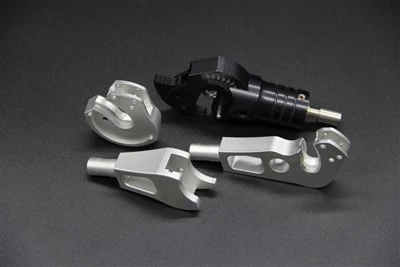
First off, let’s get one thing straight: not all CNC milled parts are the same. A tiny, precision-made aluminum bracket for a drone is way different from a heavy steel gear for a mining machine. The maintenance rules shift based on what material you used, what the part is doing, and what environment it’s hanging out in. But there are some universal habits that’ll keep most of these parts running strong, and a few specific checks for common materials we use every day.
Let’s start with the basics: surface care. CNC milling cuts sharp, crisp edges, right? Those edges aren’t just for show—they’re usually where the part interfaces with other components. If you leave metal shavings, dust, or even leftover cutting fluid sitting on the surface, that’s a recipe for corrosion or scratch damage over time. I’ve seen this first-hand: a client got a batch of 304 stainless steel brackets from us, stored them in a bin in their warehouse for six months, and didn’t wipe them down. When they pulled them out to install, half had light surface rust from the leftover coolant we used during milling. It wasn’t a big fix—just a quick polish—but it could’ve been avoided if they’d just wiped each part with a clean cloth and stored them properly.
Wait, cutting fluid is a big one, by the way. When we mill parts, we use coolants to keep the tool from overheating and to get a smooth finish. Those fluids can leave residue that’s sticky or corrosive if left on, especially if the part is going into a moist or outdoor space. So the first maintenance step, no matter the part, is a quick clean: use a mild degreaser for metal parts, and a soft brush to get into the tiny corners where shavings hide. Don’t use harsh chemicals if it’s a plastic CNC milled part—those can eat away at softer materials, so just warm soapy water works there.
Next up, edge and tolerance checks. CNC milling is all about tight tolerances—like, thousandths of an inch tight. Over time, if a part is moving, vibrating, or rubbing against other parts, those sharp milled edges can wear down or get nicked. That messes with the fit, which is why the part was made with such precision in the first place. For example, we make a lot of custom aluminum impellers for small water pumps. The blades are milled to within 0.002 inches of each other—any wear on the edges throws off the balance, makes the pump inefficient, and can even cause it to seize up. So if you have parts that are moving (like impellers, gears, brackets that swing), every few months, pull them out and run a quick visual check for nicks on the edges. If you see a small nick, a light sanding with 600-grit sandpaper will smooth it out without messing with the tolerance. For really tight tolerance parts, though, it’s better to use a micrometer to check key dimensions before sanding—you don’t want to take off too much material.
Now, let’s break down by material, because that’s where maintenance gets specific. Let’s start with aluminum, which is our most-requested material here. Aluminum is lightweight, strong, and milled like a dream, but it’s prone to oxidation (that’s the cloudy, chalky stuff you see on old aluminum bike parts). If your aluminum part is indoors, just a quick wipe with a microfiber cloth every couple months is enough. If it’s outdoors or in a humid place, a light coat of wax (like carnauba wax) will form a barrier against moisture. We actually recommend this to all our aluminum clients, because it’s such a simple step that adds years to the part’s life.
Steel parts? Those are tough, but they rust. Carbon steel, especially, is a magnet for corrosion. If you have a steel CNC milled part, don’t leave it exposed to water or high humidity. If it’s in a dry industrial setting, a monthly wipe with a dry cloth works. If it’s outside or in a coastal area (salt air is the worst for steel), you’ll want to use a rust inhibitor spray—just make sure it’s compatible with the part’s function. If it’s a steel part that’s moving (like a shaft or gear), a light coat of lubricating oil will not only prevent rust but also reduce friction, which cuts down on wear. We always tell clients: steel parts are tough, but they don’t like being left wet. That’s the big mistake we see people make.
What about the less common stuff, like stainless steel, brass, or even milled plastic? Stainless steel is called “stainless” for a reason, but it’s not invincible. If it’s exposed to saltwater or certain chemicals, it can get pitted. A quick wash with mild soap and water, and a polish occasionally, keeps it looking good. Brass is soft, so it scratches easily. The main thing for brass parts is avoiding abrasive cleaners—use a soft cloth and brass polish to keep the surface smooth, which prevents dirt from sticking. Milled plastic parts? Those are usually for things like enclosures or guides, and they’re pretty hardy, but they can crack if exposed to extreme heat or UV rays. So store them away from direct sunlight, and don’t install them near hot engines or heaters—that’s the biggest maintenance tip here.
Wait, what about parts that are used in harsh environments? Like oil and gas equipment, medical devices, or aerospace parts? Those have way stricter requirements, and the maintenance is more formal. For example, a CNC milled titanium bracket for a medical implant (though we don’t make implants, we make components for medical equipment) needs to be checked for surface defects every few years, because even a tiny crack can be a safety hazard. For industrial parts that are in dirty, dusty areas, you’ll want to clean them more often—maybe every month, using compressed air to blow out dust from small holes and crevices, then wipe down with a lint-free cloth. We actually have a list of recommended maintenance schedules for heavy-use parts that we send to clients, so don’t be shy to ask us for that if you need it.
A lot of new clients ask: “Do I need to re-mill parts if they wear out?” No, 99% of the time, regular maintenance prevents the need for that. Re-milling is way more expensive and time-consuming than just taking care of the part as it’s used. The only time we’ve had clients need a re-mill is when they skipped maintenance entirely—like a farm equipment part made from mild steel that was left in the mud for a year, rusted so bad the original dimensions were gone. That’s avoidable, I promise.
Let’s talk about common mistakes people make, because that’s where most issues come from. First, storing parts in a messy, unorganized bin. If you toss CNC milled parts together with other metal parts, they’ll scratch each other. Use individual slots or foam inserts when storing, especially for precision parts. Second, using the wrong cleaner. We had a client once use a strong solvent to clean a CNC milled plastic enclosure, and it melted a small tab that held the lid on. Oops. Third, skipping regular checks. It’s easy to set it and forget it, but a 5-minute check every 3 months is way better than tearing down a machine because a part broke unexpectedly.
And here’s a pro tip from the team at our shop: when you get your CNC milled parts, take a photo of the dimensions and the original finish before you install them. If you notice wear, you can compare it to that photo to see how much it’s changed, which tells you if maintenance is working or if you need to adjust something. Also, keep the original packaging—usually, it’s designed to protect the parts during shipping, and it works for storage too, if you need to keep a spare part for later.
At the end of the day, CNC milled parts are built to last, but they’re not indestructible. The maintenance isn’t complicated—it’s not like rebuilding an engine or anything. It’s mostly just small, regular checks and simple cleaning steps that take 10 minutes max. If you’ve got a batch of new CNC milled parts and aren’t sure where to start, or you’ve been dealing with worn parts that you think could’ve been maintained better, hit us up. We don’t do hard sells—we actually like to help our clients get the most out of the parts we make. Whether you need a quick advice session, a quote for a new batch of parts, or just have a question about maintenance, we’re here to help.
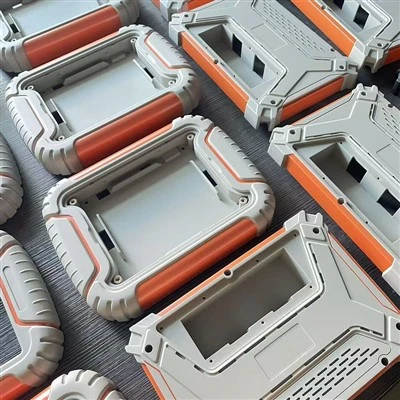
If you’ve got your own horror story (or success story) about CNC milled part maintenance, drop a note—we love hearing from folks who are using our parts out in the real world.
Precision CNC Machining References
- Machining Data Handbook. Modern Machine Shop, 2022.
- "Surface Finish and Maintenance of CNC Milled Components." Journal of Industrial Maintenance, vol. 18, no. 3, 2021, pp. 45-52.
- Guide to Metal Corrosion Prevention for Industrial Parts. American Society for Metals, 2020.
Shenzhen Multi-Wins Precision Technology Co., Ltd.
As one of the most professional CNC milling manufacturers and suppliers in China, we have world-leading production equipment and strong manufacturing capabilities. Please feel free to buy customized CNC milling made in China here from our factory. Also, quotation is available.
Address: 1 Phase, Yi’an City Central Garden, Longfei Avenue, Longgang District, Shenzhen, GD, China. 518100
E-mail: info@multi-wins.com
WebSite: https://www.multi-wins.com/
