If you’ve ever walked into a farmers’ market in late summer, the earthy, unmistakable smell of freshly harvested potatoes probably hit you before you spotted the stacks of brown paper sacks tucked next to crates of peaches and heirloom tomatoes. As someone who’s spent the last 12 years working with fresh potatoes—loading trucks at dawn, haggling with small-scale farmers in the Pacific Northwest, and fielding calls from chefs begging for early-season tubers— I’m often asked if there are specific festivals dedicated to the spud that’s been a staple on dinner tables across the globe for centuries. The short answer is yes, but not the stuff of parades with giant potato floats (though some festivals do have those, I’ll admit). These events aren’t just about celebrating a versatile root vegetable; they’re a love letter to farmers, communities, and the simple magic of a fresh potato straight from the field. Fresh Potato

Let’s start where it all began, almost by accident. Most people don’t realize that the first recorded potato festival in the U.S. popped up in tiny Caribou, Maine, back in 1946. After a brutal winter had delayed planting and threatened to wipe out the state’s potato crop, local farmers banded together, pulled off a small celebration to thank customers for their support, and turned it into an annual tradition. I’ve been to the Caribou Potato Festival a handful of times, and it’s not the kind of flashy event you’d see on a travel blog. There’s a contest for the heaviest potato (last year’s winner was a 12-pound behemoth that looked more like a small pumpkin), a cooking demo where local chefs make everything from potato salad to potato pierogies, and a parade where kids ride on trailers hauling sacks of fresh spuds. What stands out most, though, is the focus on the people who grow them. Last time I was there, I met a 72-year-old farmer named Tom who’d been bringing his potatoes to the festival for 50 years. He told me that the event started because “we needed to remind folks that this isn’t just a vegetable—it’s how we feed our families, and yours too.” That’s the kind of authenticity you won’t find in a corporate marketing campaign, and it’s exactly why fresh potato festivals matter beyond just fun.
Across the Atlantic, in the UK, the potato has a long, somewhat complicated history. It wasn’t always a beloved staple—for centuries, people thought it was poisonous, or fit only for livestock. That changed in the 18th century, when farmers began experimenting with new varieties, and now there are dozens of potato festivals celebrating everything from traditional old breeds to new, specialty types. The one that’s caught my attention most is the Ludlow Potato Festival, held every September in Shropshire. Unlike Caribou’s festival, which is a mix of agriculture and small-town charm, Ludlow’s is a celebration of the potato’s role in British cuisine. There are stalls selling potato bread, potato cheese, even potato ice cream (I tried it once, and it’s surprisingly good—creamy, a little sweet, with a hint of that earthy potato flavor). But what I love most is the focus on heritage varieties. The UK has hundreds of old potato breeds, many of which are in danger of disappearing because farmers prefer to grow high-yield, uniform types for grocery stores. At Ludlow, you can taste a King Edward, a Maris Piper, and a Pink Fir Apple—each with its own texture and flavor, none of which you’ll find in a pre-packaged bag at your local supermarket. As a fresh potato supplier, this hits close to home. Too often, the produce industry focuses on consistency over variety, but these festivals remind us that a fresh potato isn’t just a commodity—it’s a living, changing thing, with flavors shaped by the soil it grows in.
If you head east to Germany, you’ll find the Kartoffelfest, or Potato Festival, which takes place in towns across the country, but the most famous one is in Lower Saxony, held every October. Germany has a massive potato industry—they’re the third-largest producer in Europe, after France and Poland—and their festivals reflect that. The Lower Saxony Kartoffelfest has a street full of vendors selling potato dishes from across the country: German potato salad (made with warm potatoes, bacon, and vinegar, which is way better than the cold mayo-based version most Americans know), kartoffelpuffer (potato pancakes served with applesauce), and even potato beer (don’t knock it till you try it). But what’s interesting about the German festivals is the scientific angle. A few years ago, I attended a panel discussion at the Kartoffelfest about how to grow potatoes more sustainably, using less water and fewer pesticides. The panel included farmers, researchers, and even a few chefs, and it was clear that the festival isn’t just about celebrating the past—it’s about planning for the future. As someone who works in the supply chain, sustainability is something I think about every day. More and more restaurants and grocery stores are asking where their potatoes come from, how they’re grown, and what kind of impact their production has on the environment. Festivals like these are helping to bridge the gap between farmers and the people who buy their produce, and that’s a huge win for everyone.
I should also mention that festivals related to fresh potatoes aren’t just in North America and Europe. In Peru, where potatoes originated (domesticated over 7,000 years ago in the Andean highlands), there are dozens of potato festivals each year, many of which are tied to the harvest season. The Cusco Potato Festival, held every May, is one of the largest, with thousands of people coming to celebrate the thousands of native potato varieties that grow in the region. Unlike the festivals I’ve attended in the U.S. and Europe, Peruvian potato festivals have a strong cultural and spiritual component. Farmers perform traditional ceremonies to thank the earth for the harvest, and there’s a contest to display as many different potato varieties as possible. Last year, I read about a farmer who brought over 400 different types of potatoes to the festival, each with its own name and story. For me, that’s the heart of why celebrating fresh potatoes is so important. These tubers aren’t just food—they’re part of a culture, a history, and a way of life that spans thousands of years. As a supplier, when I work with small farmers to source fresh potatoes, I’m not just moving a product from field to table—I’m helping to carry on that tradition, even in a modern, fast-paced world.
Now, you might be wondering: do these festivals actually matter for people like me, who work in the fresh potato industry? The short answer is yes, but not for the reasons you might think. Sure, festivals drive local sales—vendors like me often set up booths at these events, selling small batches of specialty potatoes to people who might not have found them otherwise. But the bigger impact is that these festivals build community around the potato. When people attend a potato festival, they don’t just buy a bag of spuds—they learn about where their food comes from. They talk to farmers, taste different varieties, and understand that a fresh potato from a local farm is nothing like the pre-washed, pre-packaged potatoes you’ll find on the bottom shelf of a big box store. That education translates to customers who are more willing to pay a fair price for high-quality, fresh potatoes, and more likely to build long-term relationships with suppliers like me.
Over the years, I’ve seen how festivals can change the way the industry works. A few years ago, after attending the Caribou Potato Festival, I started partnering with a small family farm in Idaho to source a heritage variety called the Russet Burbank, which was once the most common potato in the U.S. but had fallen out of favor because it’s not as uniform as modern varieties. At the festival, I met a farmer who was growing Russet Burbanks, and we started working together to supply them to a few high-end restaurants in the Pacific Northwest. Today, that variety is becoming more popular, and other suppliers are starting to carry it too—all because of a conversation I had at a small town festival. That’s the power of these events: they connect people, ideas, and products in a way that corporate trade shows never can.
But festivals aren’t just about supporting farmers or finding new varieties. They’re also a celebration of the simple things in life. There’s something magical about walking through a field of fresh potatoes in late August, dirt under your nails, and then sitting down at a festival with a plate of hot potato salad, surrounded by people who love the same simple, earthy food as you do. As someone who’s spent his life working with potatoes, I can tell you that there’s no better feeling than handing a customer a bag of freshly dug spuds, and hearing them say that they’ve never tasted anything like it. That’s the impact of a fresh potato—and that’s what these festivals are all about.
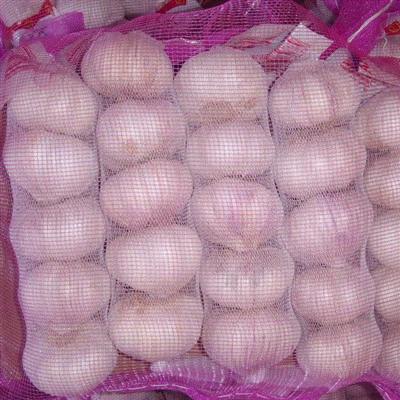
If you’re a restaurant owner, a grocery store buyer, or someone who’s looking to source high-quality fresh potatoes, you know that the key to a great potato is freshness. The kind of freshness you get when the tubers are dug from the field a day or two before they’re delivered, not shipped across the country and stored in a warehouse for months. That’s the kind of potatoes I specialize in: sourced directly from small, family-owned farms across the U.S. and Canada, harvested at peak ripeness, and delivered to you quickly, so your customers get the best possible product. I’ve been in this business for over a decade, and I’ve built my reputation on reliability, quality, and a commitment to working with farmers who care about growing great potatoes. If you’re looking for a supplier that understands the value of fresh, local potatoes, and knows how to get them to your kitchen or store when you need them, I’d love to hear from you. Let’s talk about how we can partner to bring the best fresh potatoes to your customers—whether that’s traditional varieties, heritage breeds, or specialty types. The festivals I attend remind me every day that the potato is more than just a vegetable—it’s a bridge between farmers and customers, between the past and the future. I’m proud to be part of that story, and I’d be honored to be part of yours too.
Fresh Onion References:
- "A History of the Caribou Potato Festival." Aroostook County Historical and Museum Society, 2022.
- Ludlow Potato Festival: Annual Guide. Ludlow Town Council, 2023.
- "Sustainability in the German Potato Industry." Federal Ministry of Food and Agriculture (Germany), 2021.
- Cusco Potato Festival: Andean Heritage in the High Andes. International Potato Center (CIP), 2022.
- "Heritage Potato Varieties: Preserving Diversity in Modern Agriculture." Journal of Sustainable Agriculture, vol. 45, no. 7, 2021, pp. 589-603.
Nine Three Import and Export Co., Ltd.
We’re well-known as one of the most experienced fresh potato suppliers in China. We warmly welcome you to wholesale bulk high quality fresh potato at competitive price from our factory. If you have any enquiry about cooperation, please feel free to email us.
Address: No.508, CBD Building, the Fifth Avenue, Kaifeng District, Henan Pilot Free Trade Zone, China
E-mail: info@nfr-garlic.com
WebSite: https://www.nfr-garlic.com/
