Hey there! I’m a supplier of slotted perforated metal, and I often get asked about the corrosion resistance of this product. So, I thought I’d write this blog to share what I know and help you understand how well slotted perforated metal can stand up to corrosion. Slotted Perforated Metal
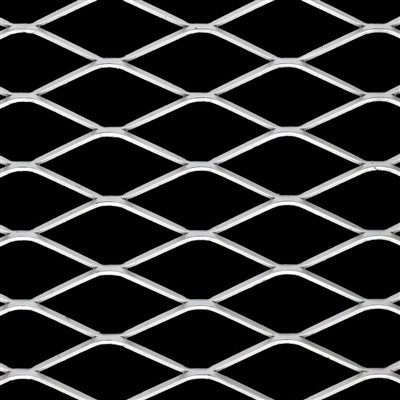
First off, let’s talk about what slotted perforated metal is. It’s basically a sheet of metal that has been punched or cut to create slots. These slots can vary in size, shape, and pattern, depending on the specific application. Slotted perforated metal is used in a wide range of industries, from construction and architecture to automotive and aerospace. It’s valued for its strength, durability, and versatility.
Now, let’s get into the nitty – gritty of corrosion resistance. Corrosion is the process by which a metal deteriorates due to a chemical reaction with its environment. This can be caused by things like moisture, oxygen, acids, and salts. When it comes to slotted perforated metal, the corrosion resistance depends on a few key factors.
Material Selection
The type of metal used is one of the most important factors in determining corrosion resistance. We commonly use materials like stainless steel, aluminum, and carbon steel for slotted perforated metal.
Stainless steel is a top choice when it comes to corrosion resistance. It contains chromium, which forms a thin, protective oxide layer on the surface of the metal. This layer acts as a barrier, preventing oxygen and moisture from reaching the underlying metal and causing corrosion. There are different grades of stainless steel, and some are more corrosion – resistant than others. For example, 304 and 316 stainless steel are widely used because they offer excellent resistance to a variety of corrosive environments. 316 stainless steel, in particular, has added molybdenum, which makes it even more resistant to pitting and crevice corrosion, especially in marine environments where there’s a lot of salt.
Aluminum is another popular option. It has a natural oxide layer that forms quickly when it’s exposed to air. This oxide layer is quite stable and provides good protection against corrosion. Aluminum is lightweight and has a high strength – to – weight ratio, which makes it suitable for many applications. However, it’s not as resistant to some strong acids and alkalis as stainless steel.
Carbon steel, on the other hand, is more prone to corrosion. It doesn’t have the built – in corrosion – resistant properties of stainless steel or aluminum. When carbon steel is exposed to moisture and oxygen, it forms rust. But we can take steps to protect carbon steel slotted perforated metal. One common method is to apply a coating, such as galvanizing or painting. Galvanizing involves coating the steel with a layer of zinc, which acts as a sacrificial anode. This means that the zinc will corrode before the steel does, protecting the underlying metal.
Surface Finish
The surface finish of slotted perforated metal also plays a role in its corrosion resistance. A smooth, clean surface is less likely to trap moisture and contaminants, which can lead to corrosion. We can use different finishing processes to improve the surface quality. For example, we can polish the metal to make it smoother. This not only enhances the appearance but also reduces the risk of corrosion.
Another finishing option is passivation. This is a chemical process that removes free iron from the surface of stainless steel and forms a more stable oxide layer. Passivated stainless steel slotted perforated metal has better corrosion resistance, especially in environments where there’s a risk of contamination.
Environmental Conditions
The environment in which the slotted perforated metal is used is a crucial factor. In a dry, clean environment, the metal is less likely to corrode. But in a humid, salty, or acidic environment, the risk of corrosion increases significantly.
For example, if the slotted perforated metal is used in a coastal area, it will be exposed to saltwater spray. The salt in the water can accelerate the corrosion process, especially for metals like carbon steel. In this case, using stainless steel or a well – coated carbon steel would be a better choice.
In industrial settings where there are acids or chemicals in the air, the metal needs to be able to withstand these corrosive substances. Again, stainless steel with the right grade and finish is often the best option.
Testing and Quality Assurance
At our company, we take corrosion resistance seriously. We conduct various tests to ensure that our slotted perforated metal meets the required standards. One common test is the salt spray test. In this test, the metal sample is exposed to a salt – water mist for a certain period of time. After the test, we examine the sample for signs of corrosion. If there’s too much corrosion, we know that the metal may not be suitable for applications in corrosive environments.
We also use other non – destructive testing methods to check the integrity of the metal and its protective layers. By doing these tests, we can provide our customers with high – quality slotted perforated metal that has good corrosion resistance.
Applications and Corrosion Resistance
Let’s look at some common applications of slotted perforated metal and how corrosion resistance matters in each case.
In architectural applications, slotted perforated metal is often used for facades, screens, and partitions. These are exposed to the elements, so corrosion resistance is essential. Stainless steel or aluminum slotted perforated metal is a great choice here because it can maintain its appearance and structural integrity over time.
In the automotive industry, slotted perforated metal is used for things like grilles, air vents, and speaker covers. The metal needs to resist corrosion from road salt, moisture, and chemicals. Stainless steel and coated carbon steel are commonly used to ensure long – term durability.
In the food and beverage industry, slotted perforated metal is used for filters and conveyor belts. It needs to be corrosion – resistant to prevent contamination of the products. Stainless steel is the preferred material because it’s hygienic and can withstand cleaning agents and the acidic nature of some food products.
Why Choose Our Slotted Perforated Metal?
As a supplier, we offer a wide range of slotted perforated metal products with different materials, sizes, and finishes. We understand the importance of corrosion resistance and work hard to provide you with the best quality products.
Our team of experts can help you choose the right material and finish for your specific application. Whether you need a highly corrosion – resistant product for a harsh environment or a cost – effective option for a less demanding application, we’ve got you covered.

We also offer custom – made slotted perforated metal. If you have specific requirements for the slot size, pattern, or shape, we can create a product that meets your needs exactly.
Flattened Expanded Metal If you’re in the market for slotted perforated metal and want to learn more about our products and how they can resist corrosion, don’t hesitate to get in touch. We’re here to answer your questions and help you make the right choice. Contact us to start a discussion about your procurement needs.
References
- "Corrosion Resistance of Metals and Alloys" by ASM International
- "Handbook of Stainless Steels" by George E. Totten and D. Scott MacKenzie
- "Aluminum: Properties and Physical Metallurgy" by John E. Hatch
Anping Yilida Metal Wire Mesh Co., Ltd.
Anping Yilida Metal Wire Mesh Co., Ltd. is one of the most reliable slotted perforated metal manufacturers and suppliers in China, also supports customized service. Please feel free to buy bulk high quality slotted perforated metal made in China here from our factory.
Address: Wire Mesh Development Zone, Anping, Hebei Province, China
E-mail: sales@wiremesh-yg.cn
WebSite: https://www.yilidametal.com/
