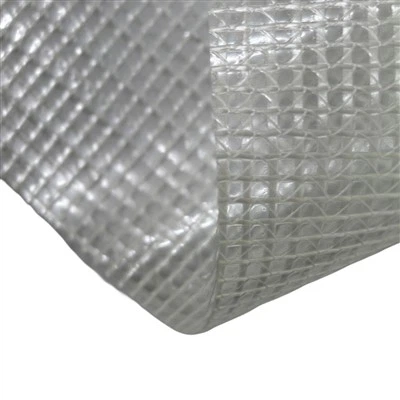
Polyvinyl chloride (PVC) film is widely used in various industries due to its excellent mechanical properties, chemical resistance, and transparency. However, one of the persistent challenges with PVC film is its susceptibility to static electricity. Static charge buildup on PVC film can cause several problems, including dust and dirt attraction, product adhesion issues, and even potential electrical shock hazards in certain environments. As a PVC film supplier, I understand the significance of addressing this issue for our customers. In this blog post, I will share some effective strategies to improve the anti – static properties of PVC film. PVC Film
Understanding the Causes of Static Electricity in PVC Film
Before delving into solutions, it’s crucial to understand why PVC film generates static electricity. Static electricity is produced when two materials come into contact and then separate, causing the transfer of electrons. PVC is a polymer with a relatively high electrical resistance, which means that charges can easily accumulate on its surface. Moreover, the friction between the film and other materials during the manufacturing, handling, or packaging processes further exacerbates the static charge buildup.
Incorporating Anti – Static Agents
One of the most common and effective methods to enhance the anti – static properties of PVC film is by incorporating anti – static agents during the film manufacturing process. Anti – static agents can be classified into two main types: internal and external.
Internal Anti – Static Agents
Internal anti – static agents are added to the PVC resin before the film is formed. These agents work by migrating to the surface of the film over time, creating a thin conductive layer that dissipates static charges. They are typically organic compounds, such as ethoxylated amines or quaternary ammonium salts. The advantage of internal anti – static agents is that they provide long – term anti – static protection. However, the selection of the appropriate internal anti – static agent depends on several factors, including the processing conditions, the end – use requirements of the film, and the compatibility with other additives in the PVC formulation.
External Anti – Static Agents
External anti – static agents are applied to the surface of the PVC film after it has been formed. They can be in the form of sprays, coatings, or wipes. External anti – static agents work by reducing the surface resistance of the film, allowing static charges to flow away more easily. They offer a quick and cost – effective solution for improving anti – static properties, especially for short – term applications. However, their effectiveness may be limited over time, as the coating can wear off during handling and use.
Adjusting Manufacturing Processes
The manufacturing process of PVC film can also have a significant impact on its anti – static properties. Here are some key process parameters that can be optimized:
Temperature and Humidity Control
During the film extrusion process, controlling the temperature and humidity can help reduce static electricity generation. Higher humidity levels can increase the conductivity of the air, allowing static charges to dissipate more readily. Additionally, maintaining a stable temperature during extrusion can prevent thermal expansion and contraction, which can contribute to static charge buildup.
Surface Treatment
Surface treatment techniques, such as corona treatment or plasma treatment, can modify the surface properties of the PVC film. These treatments can increase the surface energy of the film, making it more receptive to anti – static agents. Moreover, they can create a rougher surface, which can reduce the contact area between the film and other materials, thereby minimizing friction and static charge generation.
Additive Dispersion
Proper dispersion of additives, including anti – static agents, is crucial for achieving consistent anti – static properties across the film. Inadequate dispersion can lead to uneven distribution of the anti – static agent, resulting in areas with poor anti – static performance. Using high – shear mixing equipment during the compounding process can ensure better dispersion of additives in the PVC resin.
Designing for Anti – Static Performance
In addition to material and process improvements, the design of the PVC film can also play a role in enhancing its anti – static properties. Here are some design considerations:
Film Thickness
The thickness of the PVC film can affect its anti – static performance. Thicker films may have a higher capacitance, which can store more static charge. Therefore, for applications where static electricity is a concern, using thinner films may be a viable option. However, it’s important to balance the anti – static requirements with the mechanical and functional properties of the film.
Surface Structure
Designing the film with a specific surface structure can also help reduce static charge buildup. For example, creating a micro – textured surface can increase the air gap between the film and other materials, reducing friction and static generation. Additionally, incorporating conductive patterns or layers into the film can provide a path for static charges to dissipate.
Testing and Quality Control
To ensure that the PVC film meets the desired anti – static performance standards, rigorous testing and quality control measures should be implemented. Some common tests for evaluating the anti – static properties of PVC film include:
Surface Resistance Measurement
Surface resistance is a key parameter for assessing the anti – static performance of a material. A lower surface resistance indicates better conductivity and, therefore, better anti – static properties. Surface resistance can be measured using a surface resistance meter, following the appropriate test standards.
Static Decay Testing
Static decay testing measures the time it takes for a static charge on the film surface to decay to a certain level. A shorter static decay time indicates better anti – static performance. This test is typically conducted using a static decay tester, which applies a static charge to the film surface and then measures the decay time.
Dust Attraction Testing
Dust attraction testing evaluates the ability of the film to attract dust and dirt. The film is exposed to a controlled dust environment, and the amount of dust attracted to the surface is measured. A film with better anti – static properties will attract less dust.
Conclusion
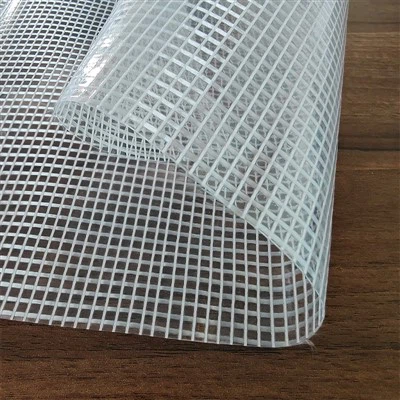
Improving the anti – static properties of PVC film is essential for many applications, and there are several effective strategies available. By incorporating anti – static agents, optimizing the manufacturing processes, designing the film for anti – static performance, and implementing rigorous testing and quality control measures, we can provide our customers with high – quality PVC film with excellent anti – static properties.
PVC Printing Film If you are in the market for PVC film with enhanced anti – static properties, I encourage you to reach out to us for more information. Our team of experts is ready to work with you to understand your specific requirements and provide the best solutions. Whether you need a customized PVC film formulation or advice on anti – static treatment options, we are here to help. Let’s start a conversation and explore how we can meet your PVC film needs.
References
- ASTM International. (20XX). Standard test methods for electrical resistivity of conductors and resistors.
- Billmeyer, F. W., & Saltzman, M. (1999). Principles of polymer science and technology in cosmetics and personal care. Wiley – Interscience.
- Carley, J. F. (1989). Plastics compounding: theory and practice. Marcel Dekker.
Nantong Dahe Composite New Material Technology Co., Ltd.
We’re well-known as one of the leading PVC film manufacturers and suppliers in China, specialized in providing high quality customized products to global clients. Please feel free to wholesale cheap PVC film in stock here from our factory. Contact us for quotation and free sample.
Address: South Side of Pinghai Highway, Pinghe Village, Dongshe Town, Tongzhou District, Nantong City, Jiangsu Province, China
E-mail: nantongdahe@outlook.com
WebSite: https://www.cndahetech.com/
