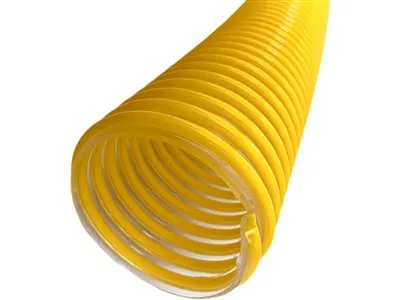
Hey there! I’m a supplier of flexible PVC hoses, and I know how important it is to have a hose that lasts. In this blog, I’m gonna share some tips on how to increase the durability of a flexible PVC hose. Whether you’re using it for industrial, agricultural, or home purposes, these tricks can really make a difference. Flexible PVC Hose
Choose the Right PVC Hose
First off, picking the right hose is crucial. Not all flexible PVC hoses are created equal. You need to consider the environment where the hose will be used. If it’s going to be exposed to high temperatures, you’ll want a hose with good heat – resistance. Some PVC hoses are formulated to withstand extreme cold, so if you’re in a cold climate, that’s the one for you.
Also, look at the thickness of the hose wall. A thicker – walled hose is generally more durable. It can handle more pressure and is less likely to get punctured or cracked. When you’re selecting a hose, think about the kind of media it will be carrying. Is it water, chemicals, or something else? Some PVC hoses are specially designed to resist certain chemicals, so make sure you choose the one that’s compatible with what you’re using it for.
Proper Installation
Installing the hose correctly is half the battle. When you’re setting up the hose, make sure it’s not overly stretched or kinked. A stretched hose can weaken over time, and kinks can block the flow and cause stress points that lead to cracks.
Use proper fittings and connectors. Make sure they’re the right size and snugly fit the hose. Loose fittings can cause leaks and put extra stress on the hose. When attaching the fittings, don’t overtighten them as this can damage the hose. A good rule of thumb is to use a fitting tool to get a secure but not overly tight connection.
If you’re running the hose over sharp edges or rough surfaces, use some kind of protective sleeve. This can prevent abrasion, which is one of the main causes of hose failure. You can find inexpensive protective sleeves at most hardware stores.
Regular Maintenance
Maintenance is key to keeping your flexible PVC hose in top shape. Regularly inspect the hose for any signs of wear and tear. Look for cracks, holes, or bulges. Even a small crack can grow over time and cause a big problem.
Clean the hose regularly. If it’s used for carrying dirty water or other substances, debris can build up inside and cause blockages or even damage the hose from the inside out. You can use a mild detergent and a soft brush to clean the inside and outside of the hose.
Store the hose properly when it’s not in use. Coil it up neatly and keep it in a cool, dry place. Avoid leaving it in direct sunlight for long periods as UV rays can damage the PVC material. If possible, hang the hose up to prevent it from getting flattened or kinked while in storage.
Protect from External Factors
External factors can really take a toll on your flexible PVC hose. As I mentioned earlier, UV rays are a major culprit. You can use a UV – resistant coating on the hose to protect it. There are many products available on the market that can be easily applied to the hose.
If the hose is in an area where it might be exposed to physical damage, like in a busy industrial setting or a construction site, use barriers or guards. You can put up a fence around the hose or use a protective cover to prevent it from being hit by equipment or vehicles.
In areas with a lot of vibration, use vibration – dampening devices. Vibration can cause the hose to wear out faster, especially at the connection points. There are rubber mounts and other devices that can help reduce the impact of vibration on the hose.
Temperature Management
Temperature can have a big impact on the durability of a flexible PVC hose. In cold weather, the PVC can become brittle and crack more easily. If you’re using the hose in cold conditions, you can insulate it. You can buy special insulation sleeves for hoses that will help keep the temperature inside the hose more stable.
In hot weather, the hose can expand and become softer. This can lead to leaks or even collapse if the pressure inside the hose is too high. Make sure the hose is rated for the high – temperature environment. If necessary, use a cooling system or shade the hose to keep it from getting too hot.
Chemical Compatibility
If you’re using the hose to carry chemicals, make sure the PVC is compatible with those chemicals. Some chemicals can react with the PVC and cause it to break down. Before using the hose with a new chemical, check the chemical compatibility chart provided by the manufacturer.
If you’re not sure about the compatibility, you can do a small – scale test. Fill a small section of the hose with the chemical and let it sit for a while. Check for any signs of damage or degradation, such as discoloration, softening, or cracking.
Pressure Control
Don’t exceed the recommended pressure for the hose. Each flexible PVC hose has a maximum pressure rating, and going over this can cause the hose to burst or develop leaks. You can use a pressure gauge to monitor the pressure inside the hose.
If the pressure in the system is variable, use a pressure – regulating device. This can help keep the pressure within the safe range for the hose and prevent damage.
Training for Users
If the hose is being used in a work environment, make sure the users are properly trained. They should know how to install, use, and maintain the hose correctly. Provide them with clear instructions and safety guidelines.
A well – trained user is less likely to damage the hose through improper use. They’ll also be more likely to notice any problems early on and take the necessary steps to fix them.
Quality Control
As a supplier, I always make sure that our flexible PVC hoses go through strict quality control. We test the hoses for various factors like pressure resistance, temperature resistance, and chemical compatibility. This ensures that our customers get a high – quality product right from the start.
We also use high – grade PVC materials and advanced manufacturing processes to make the hoses as durable as possible. By investing in quality, we can offer hoses that last longer and perform better.
Conclusion
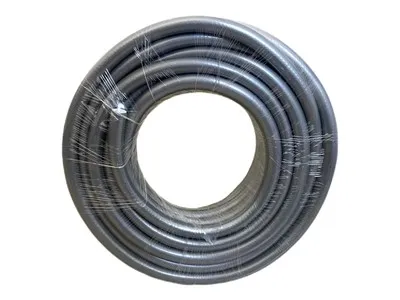
Increasing the durability of a flexible PVC hose isn’t rocket science. By choosing the right hose, installing it properly, maintaining it regularly, protecting it from external factors, managing temperature and pressure, ensuring chemical compatibility, training users, and having good quality control, you can significantly extend the life of your hose.
PVC Suction Pipe If you’re in the market for a high – quality, durable flexible PVC hose, I’d love to talk to you. Whether you’re a business looking for industrial hoses or a homeowner in need of a garden hose, we’ve got you covered. Reach out to me, and we can have a chat about your specific needs and how our hoses can meet them.
References
- "Handbook of PVC Technology" by William V. Titow
- "Plastic Pipe Systems: Design and Installation" by the Plastic Pipe Institute
- Various industry reports on flexible PVC hose manufacturing and usage.
Weifang Xinzhiyuan Plastic Co., Ltd.
As one of the most experienced flexible pvc hose manufacturers and suppliers in China, we offer a wide range of products with superior quality. Please feel free to wholesale premium flexible pvc hose made in China here from our factory. We also accept customized orders.
Address: No. 700, Tongle Street, Economic Development Zone, Changle County, Weifang City, Shandong Province
E-mail: hua@xzypvchose.com
WebSite: https://www.pvchose-xzy.com/
