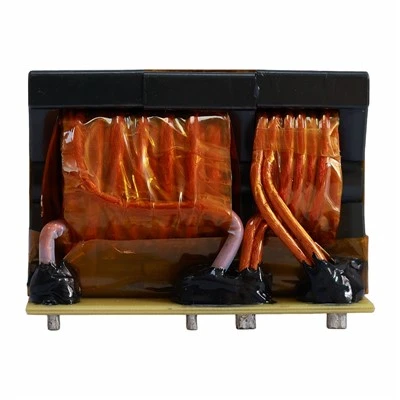
In the dynamic landscape of LED lighting technology, the choice of components plays a pivotal role in determining the performance and efficiency of lighting systems. As a supplier specializing in filter inductors, I am often asked whether a filter inductor can be effectively used in LED lighting circuits. In this blog post, I will delve into this question, exploring the technical aspects, benefits, and practical considerations of incorporating filter inductors in LED lighting applications. Filter Inductor
Understanding the Basics of LED Lighting Circuits
LEDs (Light Emitting Diodes) have revolutionized the lighting industry with their energy – efficiency, long lifespan, and versatility. However, LED lighting circuits require a stable power supply to operate optimally. These circuits typically consist of an LED driver, which converts the input power (usually AC) into a suitable DC voltage and current for the LEDs. The LED driver also helps in regulating the current flowing through the LEDs to ensure consistent brightness and prevent over – current damage.
The Role of Filter Inductors
Filter inductors, also known as choke inductors, are passive electronic components that store energy in a magnetic field when an electric current passes through them. In an electrical circuit, they act as a barrier to high – frequency signals while allowing low – frequency or DC signals to pass through. This property makes them invaluable in various applications where signal filtering and power conditioning are required.
In the context of LED lighting circuits, filter inductors serve several important functions:
1. Power Factor Correction (PFC)
Power factor is a measure of how effectively electrical power is converted into useful work output. In many LED lighting applications, especially those connected to the AC mains, a low power factor can lead to higher energy consumption and increased electricity costs. A filter inductor can be used in a PFC circuit to improve the power factor by reducing the harmonic distortion in the input current. By shaping the input current waveform to be more in phase with the input voltage, the filter inductor helps to maximize the energy transfer from the power source to the LED load.
2. EMI/RFI Suppression
Electromagnetic interference (EMI) and radio – frequency interference (RFI) are common problems in LED lighting circuits, especially those using high – frequency switching power supplies. These interferences can cause disruptions in other electronic devices in the vicinity and may even violate electromagnetic compatibility (EMC) standards. Filter inductors play a crucial role in suppressing EMI/RFI by providing a high impedance to high – frequency noise signals. They help to prevent the leakage of high – frequency noise from the LED driver into the power supply line and the surrounding environment.
3. Current Smoothing
The current flowing through an LED must be kept constant to ensure uniform brightness and long – term reliability. However, in LED drivers that use switching regulators, the output current can have significant ripple. A filter inductor can be used to smooth out this current ripple by storing energy during the on – time of the switching cycle and releasing it during the off – time. This results in a more stable and consistent current flow through the LEDs, reducing flickering and improving the overall quality of the light output.
Benefits of Using Filter Inductors in LED Lighting Circuits
Energy Efficiency
As mentioned earlier, filter inductors can improve the power factor of LED lighting circuits. A higher power factor means that less energy is wasted in the form of reactive power, resulting in lower energy consumption and reduced electricity bills. Additionally, by smoothing the current and reducing ripple, filter inductors can enhance the efficiency of the LED driver, further contributing to overall energy savings.
Longevity of LEDs
LEDs are sensitive to variations in current and voltage. The use of a filter inductor to regulate the current and minimize ripple can help to protect the LEDs from over – current stress and thermal damage. This can significantly extend the lifespan of the LEDs, reducing the need for frequent replacements and maintenance.
Compliance with Standards
In many regions, LED lighting products must comply with strict EMC and safety standards. By incorporating a filter inductor for EMI/RFI suppression and power factor correction, LED lighting manufacturers can ensure that their products meet these standards, making them more marketable and reducing the risk of regulatory issues.
Practical Considerations
Inductance Value
The selection of the appropriate inductance value is crucial for the effective operation of a filter inductor in an LED lighting circuit. The inductance value affects the filtering performance, current – handling capacity, and size of the inductor. A higher inductance value generally provides better filtering but may also result in a larger and more expensive component. The design engineer must carefully consider the specific requirements of the LED lighting circuit, such as the input voltage, output current, and desired level of filtering, when choosing the inductance value.
Saturation Current
The saturation current is the maximum current that an inductor can handle without a significant decrease in its inductance. In an LED lighting circuit, the filter inductor must be able to handle the peak currents that occur during normal operation and transient conditions without saturating. If the inductor saturates, it loses its ability to filter effectively and can cause instability in the LED driver circuit. Therefore, it is important to select an inductor with a saturation current rating that is higher than the maximum current expected in the circuit.
Temperature Rating
Since the filter inductor dissipates energy in the form of heat, it is important to consider its temperature rating. High temperatures can degrade the performance of the inductor and reduce its lifespan. The inductor should be selected with a temperature rating that is suitable for the operating environment of the LED lighting circuit. Additionally, proper heat dissipation measures, such as using heat sinks or providing adequate ventilation, may be required to ensure that the inductor operates within its specified temperature range.
Case Studies
Several LED lighting manufacturers have successfully integrated filter inductors into their products to enhance performance. For example, a leading manufacturer of commercial LED lighting fixtures incorporated a high – quality filter inductor in their LED drivers. As a result, they were able to improve the power factor of their products from 0.7 to over 0.95, significantly reducing energy consumption. Moreover, the suppression of EMI/RFI led to better compatibility with other electronic devices in office environments, eliminating interference issues reported by end – users.
Another case involves a residential LED bulb manufacturer. By using a filter inductor to smooth the current, they were able to reduce the visible flicker in their bulbs. This not only improved the user experience but also made their product more appealing in the market, as consumers are increasingly sensitive to lighting quality.
Conclusion
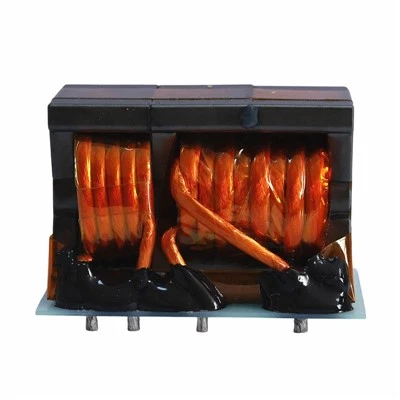
In summary, a filter inductor can indeed be effectively used in LED lighting circuits. It offers a range of benefits, including power factor correction, EMI/RFI suppression, and current smoothing, which can enhance the energy efficiency, reliability, and overall performance of LED lighting systems. However, careful consideration must be given to factors such as inductance value, saturation current, and temperature rating during the selection and design process.
Current Transformer As a supplier of filter inductors, I am well – equipped to provide high – quality components that meet the specific requirements of LED lighting applications. Whether you are an LED lighting manufacturer looking to improve the performance of your products or an engineer working on a new LED lighting design, I invite you to contact me to discuss your needs. I am confident that our filter inductors can help you achieve the best results in your LED lighting projects.
References
- Neaman, D. A. (2010). Semiconductor Physics and Devices: Basic Principles. McGraw – Hill.
- Dorf, R. C., & Bishop, R. H. (2013). Introduction to Electric Circuits. Wiley.
- Horowitz, P., & Hill, W. (2015). The Art of Electronics. Cambridge University Press.
Dongguan Hensiron Electric Co., Ltd.
As one of the most professional filter inductor suppliers in China, we have world-leading production equipment and strong manufacturing capabilities. Please feel free to buy high quality filter inductor made in China here from our factory. Customized orders are welcome.
Address: Building 4, Xinxing Industrial Zone, Wangao Road, Wanjiang Street, Dongguan City, China
E-mail: jessica@dghensiron.com
WebSite: https://www.dghensiron.com/
