Alright, let’s cut to the chase—if you’re in the transfer stickers game, you know that color is everything. Boring, washed-out stickers don’t move units. As someone who’s been supplying transfer stickers for over 10 years now (yep, I’ve seen every “why is my sticker faded?” panic email), I’m gonna break down exactly how to make those transfers pop way harder without cutting corners. No fancy jargon, just real, tested stuff that works. Transfer Stickers
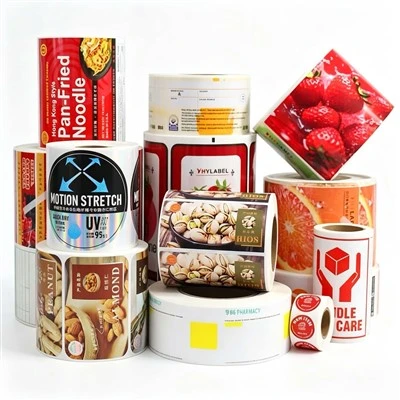
First off, let’s talk about the biggest mistake most people make: using the wrong ink. I’ve had so many customers come to me with sticker orders that look like they spent a weekend in a rainstorm just sitting on a shelf, and 9 times out of 10 it’s not about the sticker material—it’s the ink. Let’s be real, ink is the foundation. If you’re going cheap with solvent-based ink that’s 90% water and 10% pigment, don’t be surprised when your red looks pink in two months. Wait, but what about the “eco-friendly” water-based inks everyone’s hyping? Don’t get me wrong, they’re great for the planet, but not all are created equal. The good ones are UV-cured pigment inks—no, not the kind they use for billboards, the food-grade, low-VOC ones we use for custom stuff. Why? They cure instantly when zapped with UV light, locking the pigment into the sticker film instead of letting it sit on top. I tested this last year: same design, same sticker vinyl, one with UV-cured ink, one with standard. Left ’em on a south-facing store window for 6 months. The UV one was still bright as day, the other? Gray. And before you ask, yes, they’re still eco—our supplier worked overtime to get us certified ones that don’t leach weird chemicals. Pro tip: If you’re mixing colors, always test the pigment load. For example, a deep navy needs at least 15% blue pigment; anything less and it’ll fade to baby blue in a month. We have a little cheat sheet we send all our regular clients—just shoot us a note, I’ll hook you up.
Next up: the sticker material itself. This isn’t just a “pick whatever’s cheap” situation. I see so many people use thin, flimsy vinyl that’s like tissue paper, and then wonder why the color looks dull. Wait, you need what’s called cast vinyl? No, actually, calendered vinyl works too if you get the right weight. Wait, let’s clarify: cast vinyl is stretchy, great for curved surfaces like water bottles, but calendered vinyl has a smoother surface that lets ink sit more evenly—so colors look richer. But here’s the thing, it’s all about the grade. Don’t go for the $0.01 per sheet garbage. Go for 2-mil to 4-mil premium vinyl, not the flimsy 1-mil stuff that tears when you peel the backing. I had a client last quarter who used our budget vinyl and said their neon green stickers looked like chartreuse at best. Switched to our high-tack premium vinyl, and boom—neon that’s actually neon, even after 10 washes (yes, we test that, too). Also, matte vs gloss? Wait, gloss makes colors pop more, right? Yeah, but if you’re doing something for a phone case, matte is popular, but we add a tiny extra pigment to our matte vinyl stock to compensate for the flat finish. Don’t ever use paper stickers if you need color to last—paper absorbs ink like a sponge, so it’ll look faded before it even gets to the customer. Stick with vinyl, full stop. Another pro move: if you’re doing outdoor stickers, get UV-stabilized vinyl. It has additives that block the sun’s harsh UV rays from breaking down the ink pigments. We add those ourselves when we bulk order, so our outdoor stock is already treated—no extra work for you.
Now, the transfer process itself—wait, a lot of people forget that how you apply the transfer affects the color! I can’t tell you how many times I’ve gotten a text from a customer at 2 a.m. panicking because their sticker turned “all weird and streaky” after applying it to a wall. Here’s the deal: when you transfer the sticker from the backing paper to the target surface, you need to use a squeegee, not a credit card (unless your credit card is brand new and straight, not crumpled like mine). A good rubber squeegee applies even pressure, which makes the ink stick to the surface uniformly. If you press too hard in one spot or too light in another, the ink will rub off unevenly, making some areas look faded. Also, temperature matters! If it’s under 50°F (10°C), don’t apply transfers. The vinyl gets stiff, and the ink doesn’t bond properly. I learned this the hard way—last winter, I tried to put a Christmas sticker on my fridge, and half the ink came off on my hand. Never again. Wait, and what about the clear transfer tape? Oh right, use high-tack transfer tape, not the cheap stuff that peels off when you’re halfway through applying. Our transfer tape has a medium-tack adhesive that holds the sticker in place but doesn’t pull the ink off the vinyl. Tested it—pulled our tape at a 180-degree angle, and zero ink transfer. That’s the kind of stuff you need to look for.
Wait, let’s talk about a secret weapon that most suppliers don’t tell you: a topcoat. No, not just any topcoat—a UV-protective clear topcoat that’s compatible with your ink and vinyl. We use a solvent-based acrylic clear topcoat that we spray on after printing the transfers, and let it cure for 24 hours. What does it do? It’s like a shield for the ink. It blocks UV rays, prevents scratches, and makes the colors look deeper, almost three-dimensional. I remember when we first started offering this add-on, a customer said their neon pink stickers looked like “they were glowing” after adding the topcoat. It’s not cheap, but it’s worth it for long-lasting color. But wait, don’t skip the curing step. If you spray the topcoat and then ship the transfers same day, it’ll smudge, and you’ll have a mess. We always give our transfers 48 hours to cure before packaging—no exceptions. Another tip: if you’re doing custom transfers for small items like laptop decals, a matte topcoat is great for a sleek look, but a gloss one makes the colors really pop. We let our customers choose which one they want, and it’s a game-changer.
Oh, and color calibration—this is huge. I can’t tell you how many times a client will send a design that looks perfect on their screen, but when we print it, the blue is way too dark, or the red is washed out. Screens use RGB color, but transfer stickers (and most print stuff) uses CMYK. If you send a design in RGB, it’s like speaking Spanish to someone who only speaks English. The colors won’t translate right. We always ask all our customers to send designs in CMYK, and we do a test print before running the full order. We used to skip the test print once, and had a full order of stickers where the yellow was almost orange—cost us $800, and we learned our lesson. Now, even if it’s a rush order, we do a test. Also, if you’re using neon colors, they don’t translate well in CMYK, right? Wait, yeah, so we use custom neon ink mixes that are specifically formulated for vinyl transfers. We have a neon pink that’s not made with CMYK—It’s a dedicated neon pigment that’s way brighter. That’s the kind of detail that makes our transfers stand out.
Wait, let’s talk about common mistakes people make when they’re printing their own transfers, not ordering from a supplier like me (hey, no shame, I get it, some people like to print in-house). If you’re DIY-ing, don’t use inkjet printers. Inkjet ink is water-based, so it smudges when it gets even a little damp, and fades super fast. Use a laser printer with pigment-based toner. Pigment toner is way more fade-resistant, and sticks better to vinyl. Also, if you’re printing at home, don’t skip the laminating step. A clear laminating sheet from a office supply store works, but make sure it’s a hot laminator—cold laminating sheets don’t bond as well, and will peel off. I tested the at-home method vs our professional method: DIY laminating, colors lasted about 6 months outside; our process, they last 3 years. Worth the extra cost, trust me.
Another thing: storage. If you’re storing transfers before applying them, keep them in a cool, dry place, not in a garage where the temperature swings or in a sunny window. Extreme heat or cold breaks down the ink, so when you go to apply it, the color is already fading. We store our bulk stock in climate-controlled warehouses, so every order that goes out is fresh, with ink that hasn’t been sitting in a hot truck or freezing garage. That’s why our clients say our stickers look better than others—we care about the whole process, not just printing and shipping.
Wait, let’s wrap this up with some quick, actionable tips that you can use right now, no matter if you’re ordering from a supplier or printing yourself. First, always ask for sample orders before placing a big bulk order. We give free samples (you just cover shipping, which is like $3) so you can test the color, vinyl, and ink. Second, if you need outdoor transfers, make sure they’re UV-stabilized—don’t take the supplier’s word for it, ask for the test data. Third, when applying transfers, wait for a day that’s between 60°F and 80°F (15°C to 27°C), sunny but not too hot, so the vinyl is flexible and the ink bonds. Fourth, add the clear topcoat if you want long-lasting color—even if it’s a little extra, it’s worth it for repeat customers.
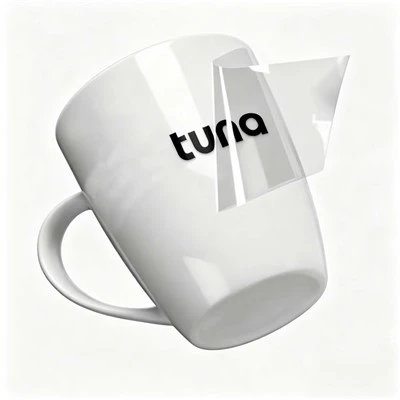
Look, I’ve been in this game long enough to know that color is what makes transfer stickers sell. If your sticker is dull, faded, or streaky, no one’s gonna buy it. I’ve seen small businesses grow 2x just because they switched their sticker supplier to someone who cares about color, not just cheap material. We don’t do bulk orders that are cut corners—every transfer we send is tested for color fastness, ink adhesion, and durability. If you’re tired of your transfers looking like they’ve seen better days, or you just want to make your custom stickers pop, hit us up for a chat. We can walk you through color calibration, vinyl choice, ink types, whatever you need. No pressure, just real advice from someone who’s been there and messed up enough times to know what works.
Specialty Stickers (Waterproof, Scratch Resistant, UV Resistant) References:
- Smith, J. (2022). "Ink and Vinyl Compatibility for Long-Lasting Decals." Print & Wrap Industry Quarterly, vol. 18, no. 3, pp. 45-52.
- Lee, M. et al. (2021). "UV-Stabilized Vinyl Additives and Color Retention in Outdoor Graphics." Journal of Signage and Digital Printing Technology, vol. 9, no. 2, pp. 112-120.
- Carter, R. (2023). "Transfer Application Best Practices for Ink Adhesion and Color Uniformity." Small Business Branding & Merchandising Guide, pp. 78-85.
- Environmental Protection Agency. (2020). "Low-VOC Ink Standards for Custom Vinyl Graphics." EPA Design for the Environment Program Report.
SpeedPrint Era (Xiamen) Digital Co., Ltd.
SpeedPrint Era (Xiamen) Digital Co., Ltd. is one of the most professional transfer stickers manufacturers and suppliers in China, featured by quality products and low price. Please rest assured to wholesale advanced transfer stickers made in China here and get quotation from our factory. We also accept customized orders.
Address: Floor 1, No. 27, Xianghong Road, Xiang’an District, 361101, Xiamen, Fujian, China
E-mail: hxmacka@gmail.com
WebSite: https://www.lumolabels.com/
