Hey there, if you’ve ever stood in a warehouse, staring at a stack of bags and thinking “wait, did I grab the right ones for this job?”—same. As someone who’s been in the PP woven bag game for years (I’m not here to BS you, I’ve seen every mistake a small business, farmer, or warehouse manager can make), I can tell you this: choosing the wrong PP woven bag is a costly headache, full stop. Last month I got a call from a feed mill that bought cheap bags from a random supplier for their grain, and 30% split on the truck ride to the farm. They lost $1,200 in product, had to pay for re-bagging, and pissed off a bunch of regular customers. That’s avoidable, right? No one wants that. So let’s cut the jargon, skip the fancy sales fluff, and talk about how to actually pick the right PP woven bag for your needs. PP Woven Bag
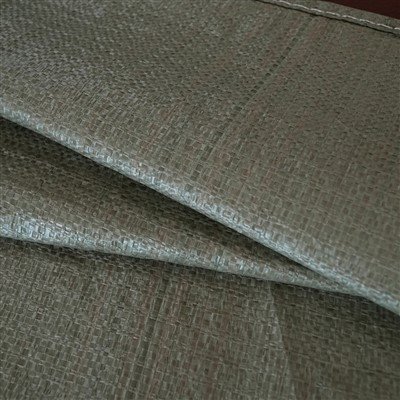
First off, let’s get one thing straight: PP woven bags aren’t one-size-f-all. I’ve had people call me asking for “just any bag” for fertilizer, and that’s a red flag. Fertilizer is corrosive, heavy, and often needs to sit outside in the rain. Cat litter is lighter, a bit more dusty, but needs to not tear when you’re scooping 50 pounds of it. Gravel is sharp—it’ll rip a flimsy bag faster than you can say “oops.” So step one: figure out what you’re actually putting in the bag. That sounds basic, but you’d be surprised how many people skip this part because they’re in a hurry. Let’s break down the key factors that matter most, no technical degree required.
First up: weight capacity. This is probably the biggest mistake I see people make. PP woven bags are rated by how much they can hold, but not all ratings are the same—some cheap suppliers will lowball numbers to undercut competition. I always use a simple rule of thumb: whatever weight you need to fill, get a bag rated for at least 20% more. Why? Because when you fill a bag, you’re not just putting the product in it—you’re lifting it, stacking it, dragging it sometimes. A 50-pound bag of dog food? Get a 60-pound rated bag. For reference, I’ve got standard options: 10lb, 25lb, 50lb, even 100lb heavy-duty ones for construction materials. If you’re dealing with something extra heavy, like scrap metal or bulk cement, we make reinforced bags with extra stitching on the seams—those don’t split when you’re hoisting them on a pallet jack. Pro tip: if you’re ordering bulk, ask for a sample to test. Fill it with your product, leave it sitting for 24 hours, then pick it up. If the handles stretch or the seams pull apart? Pass. I send free samples all day long, no hoops to jump through.
Next: material grade. Not all PP (polypropylene) is created equal. There’s virgin PP, and there’s recycled PP. Virgin PP is stronger, more flexible, and resistant to UV rays way better than recycled. Recycled PP is cheaper, but it’s more brittle—leave it outside in the sun for a week, and it’ll crumble. Here’s the thing: recycled PP is fine if your bag is going to be used indoors, for short-term storage. Like, if you’re moving office supplies and storing them in a garage for a month? Recycled works. But if your bag is going outside, or needs to last more than 3 months? Go virgin. I had a landscape supply company client a couple years back who bought recycled bags for their mulch, left them on a delivery truck in Texas heat for 3 days. Half the bags split before they even got to the job site. They came back to us, swapped them for virgin UV-stabilized bags, and haven’t had that issue since. Also, if you’re dealing with food or feed (grain, pet food, livestock feed), you need food-grade PP. No exceptions. Recycled PP can have residual chemicals that leach into food—we offer full food-grade certification for all our feed and pet food bags, that’s non-negotiable for us.
Then there’s texture and lining, which most people sleep on. PP woven bags come in two main textures: plain and laminated. Laminated means there’s a thin plastic coating on the inside (or outside, or both) to make them water-resistant. That’s a game-changer if you’re dealing with anything that gets damp: grain, fertilizer, seeds, even salt. Plain woven bags are breathable—great for things like produce or fresh grain that need to dry out a little so they don’t mold. If you’re shipping something that needs to stay dust-free, like flour or specialty chemicals, a liner (either a PE liner inside or an anti-static coating) is worth the extra 5 cents per bag. Last quarter a coffee roaster reached out to me because their unlined bags were letting coffee oil seep through, staining shipping pallets and getting complaints from retailers. Switched them to laminated, and that problem was gone. Another thing: handles. Do you want top handles for lifting, or loop handles for stacking pallets? Loop handles are better for large orders, top handles for manual lifting of smaller quantities. We can customize that too.
Size and printing, if that matters to you. A lot of people forget that bags need to fit their product snugly. If your 50-pound bag of corn is too big, it’ll slosh around, stretch, and tear. Too small, and you have to force it, which also weakens seams. We do custom sizing all the time—just send me the dimensions of your product (length, width, when filled) and we’ll make a bag that fits like a glove. And if you want branding? Full-color printing on PP bags is totally doable, no fine lines that bleed or faded ink that washes out when it rains. We use UV-cured inks, so your logo and product info stays sharp even after being outside for months. I know small businesses care about branding—your bag is the first thing a customer sees, so it should look good too.
Wait, let’s talk about cost for a second. I get it, everyone wants the best price. But the old adage “you get what you pay for” is 100% true here. A 1,000-bag order of cheap, low-grade recycled PP might be $200 cheaper than quality virgin bags, but if half of them split, that’s 500 bags wasted—plus the cost to re-bag, plus the lost product. That’s way more than $200. I always tell clients to calculate the total cost, not just the per-bag price. Last year a construction company tried to save money on cheap bags for their concrete, ended up having 200 bags tear on a job site, costing them over $3,000 in cleanup and rework. That’s not worth the $200 upfront savings. We price our bags transparently—no hidden fees, no junk charges. We’ll give you a breakdown of what you’re paying for: material, size, any liners or handles, printing if you want it. No surprises.
Also, think about how you’re transporting and storing the bags. If you’re stacking pallets of bags in a warehouse, you need bags that can hold heavy weights without crushing. If you’re shipping them by sea, you need UV-resistant bags that don’t get ruined in long sun exposure. We make UV-stabilized virgin bags specifically for long-term outdoor storage and international shipping—those are tested to last up to 12 months outside without degrading. For pallet stacking, we use extra-dense PP weave that doesn’t stretch when stacked 10 high. I’ve shipped bags to 12 different countries over the last 5 years, and I’ve only had two issues—both times it was because the client went with a cheaper bag that wasn’t UV-rated. Lesson learned.
Let’s wrap this up with a quick checklist you can jot down, so you don’t have to remember everything:
- What’s your product? (grain, fertilizer, mulch, feed, etc.)
- What’s the maximum weight per bag, and do you need a 20% safety buffer?
- Where is the bag going to be used/ stored? (indoors, outside, in the sun, near food?)
- Do you need water resistance, liners, or special handles?
- Do you need custom sizing or branding?
If you’re still not sure, that’s fine. I’m here to help. I’ve been doing this long enough to know that every client’s needs are different—there’s no “one perfect bag” for everyone, but there is a perfect bag for you. The feed mill that had the problem? We switched them to heavy-duty virgin PP bags with reinforced seams, and they haven’t had a split bag in 8 months. The coffee roaster got laminated, food-grade bags with their custom logo, and their customer complaints dropped to zero.

If you’re ready to stop dealing with flimsy bags that let you down, or you just want to run your product securely and efficiently, reach out. We can send you samples, walk you through any questions, and give you a fair, transparent quote. No pressure, no sales pitch—just solid advice from someone who’s actually been in the thick of it, fixing bag problems every day. At the end of the day, the right PP woven bag doesn’t just hold your product—it saves you time, money, and the headache of dealing with messes. So don’t cut corners here. Let’s find the right bags for your operation.
References
PP Woven Bag Polypropylene: Properties and Applications, Modern Plastics Encyclopedia 2022.
Guide to Flexible Intermediate Bulk Containers (FIBC) and Woven Bags, National Institute of Standards and Technology (NIST) Handbook 150.
UV Resistance of Polypropylene for Outdoor Packaging, Journal of Packaging Technology and Science, Vol. 34, Issue 7, 2021.
Jining Shunxing Plastics Co., Ltd.
Jining Shunxing Plastics Co., Ltd. is one of the most professional pp woven bag manufacturers and suppliers in China, featured by quality products and low price. Welcome to buy discount pp woven bag in stock here and get pricelist from our factory. We also accept customized orders.
Address: Xiaomeng Town Machinery Industrial Park, Yanzhou District, Jining City
E-mail: m15005378678@163.com
WebSite: https://www.sxwovenbag.com/
