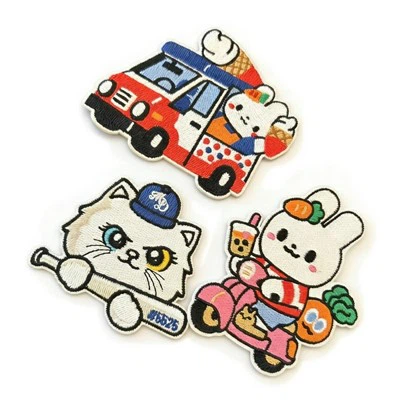
As a supplier of PVC patches, I’ve had the privilege of being deeply involved in the fascinating world of PVC patch production. Today, I’m excited to take you through the detailed printing process for PVC patches, sharing insights from years of hands – on experience in this industry. PVC Patches
1. Design Conceptualization and Artwork Creation
The first step in the PVC patch printing process is to transform the client’s vision into a tangible design. When a customer approaches us with an idea for a PVC patch, we start by having in – depth discussions. We ask about the purpose of the patch, the intended message, and any specific elements they want to include, such as logos, text, or symbols.
Once we understand the client’s requirements, our design team gets to work. They use professional graphic design software like Adobe Illustrator. This software allows them to create high – resolution vector graphics. Vector graphics are crucial because they can be scaled to any size without losing quality, which is essential for different patch dimensions.
The design team pays close attention to color selection. PVC patches can support a wide range of colors, and we use Pantone color matching system (PMS) to ensure that the colors in the design match exactly what the client desires. This is especially important for corporate logos or brands that have specific color standards. After the design is complete, we send it to the client for review and feedback. We make revisions until the client is fully satisfied with the artwork.
2. Molding Preparation
After the final design is approved, we move on to the molding preparation phase. The mold is the key to creating the PVC patch’s shape and details. We use high – quality steel to make the molds. The first step in mold making is to engrave the design onto the steel. This is done using a computer – controlled engraving machine.
The engraving process is highly precise. The machine follows the vector design file, cutting into the steel to create a negative impression of the patch design. The depth and width of the engraved lines are carefully controlled to ensure that the final PVC patch has the right level of detail. Once the engraving is complete, the mold is polished to a smooth finish. This helps in the easy release of the PVC patches during the production process.
3. PVC Material Selection
The quality of the PVC material is vital for the final quality of the patch. We source our PVC materials from trusted suppliers. There are different types of PVC materials available, and we select the one based on the client’s requirements.
For example, if the patch needs to be flexible and soft, we choose a PVC material with a lower hardness. On the other hand, if the patch requires more rigidity and durability, we opt for a higher – hardness PVC. We also consider the color stability of the PVC material. The material should be able to withstand fading and discoloration over time, especially if the patches are going to be exposed to sunlight or other environmental factors.
4. Mixing and Coloring the PVC
Once the PVC material is selected, it’s time to mix and color it. We start by heating the PVC resin to a specific temperature to make it more workable. The resin is then mixed with plasticizers, stabilizers, and other additives. Plasticizers help to make the PVC more flexible, while stabilizers prevent degradation of the material.
Coloring is done using high – quality PVC pigments. We follow the color recipe based on the PMS color code from the approved design. The pigments are added to the melted PVC resin and mixed thoroughly to ensure an even distribution of color. This process requires precision, as any uneven coloring will be visible on the final patch.
5. Injection Molding
Injection molding is the core process of creating PVC patches. We use injection molding machines to inject the colored and mixed PVC material into the prepared molds. The injection molding machine has a heated barrel where the PVC material is melted further until it reaches a liquid state.
The liquid PVC is then forced into the mold under high pressure. The pressure ensures that the PVC fills every detail of the mold, capturing all the fine lines and textures of the design. Once the mold is filled, the PVC is allowed to cool and solidify. The cooling time is carefully controlled to ensure that the patch is fully formed and has the right level of hardness. After the PVC has solidified, the mold is opened, and the newly formed PVC patch is ejected.
6. Trimming and Finishing
After the patches are removed from the molds, they go through a trimming process. There may be some excess PVC material around the edges of the patches, which needs to be removed. This is done using cutting tools to give the patches a clean and precise shape.
In addition to trimming, some patches may require additional finishing touches. For example, we can add a smooth or textured surface to the patches using special finishing techniques. We can also apply a protective coating to the patches to enhance their durability and resistance to scratches and abrasions.
7. Quality Inspection
Quality inspection is a crucial step in the PVC patch printing process. Our quality control team checks each patch carefully to ensure that it meets our high – quality standards and the client’s specifications. They inspect the color, shape, size, and detail of the patches.
The color is checked against the approved PMS color code to ensure accuracy. The shape and size of the patches are measured using precision measuring tools to make sure they match the design requirements. The details of the patches, such as the clarity of the logo or text, are also examined. Any patches that do not meet the standards are rejected and recycled.
8. Packaging and Shipping
Once the patches pass the quality inspection, they are ready for packaging. We offer different packaging options based on the client’s needs. For small – quantity orders, we can package the patches in individual plastic bags. For larger orders, we can use bulk packaging, such as cardboard boxes or plastic containers.
We take great care in packaging the patches to prevent any damage during shipping. The patches are carefully arranged and cushioned inside the packaging materials. We also label the packages clearly with the product information, quantity, and shipping details. After packaging, the patches are shipped to the client using reliable shipping carriers.
In conclusion, the printing process for PVC patches is a complex and multi – step process that requires precision, expertise, and high – quality materials. At our company, we are committed to providing the best – quality PVC patches to our clients. Whether you need patches for your brand, organization, or event, we have the skills and experience to bring your design to life.
If you’re interested in purchasing PVC patches, we’d love to have a discussion with you. Contact us to start the procurement process and let’s work together to create the perfect PVC patches for your needs.
Woven Patches References:
- "Plastic Materials and Processes: A Concise Encyclopedia" by Howard S. Katz
- "Injection Molding Handbook" by Dominik Bogdanski
- Publications from the PVC manufacturers for material specifications and usage guidelines.
Kaishen Garment Accessory Co., Ltd.
As one of the most professional pvc patches manufacturers and suppliers in China, we’re featured by quality products and low price. Please rest assured to wholesale bulk cheap pvc patches from our factory. Contact us for customized service and free sample.
Address: No.1, Yangguang Road, Shanwu Village, Shijie Town, Dongguan City, Guangdong Province
E-mail: patch@shiujan.com
WebSite: https://www.kspatch.com/
