Hey everyone, it’s Jake from the industrial door geared motor team here — today we’re diving into a question I get ALL the time from both new and repeat clients: how fast does one of our geared motors actually respond to a control signal? If you’re in the market for these motors, whether you’re a warehouse manager, a commercial garage door installer, or someone who’s just tired of waiting 10 whole seconds for a door to open when a forklift is bearing down on it, this is the stuff you need to know. Let’s cut the corporate jargon and get real about response speeds. Industrial Door Geared Motor
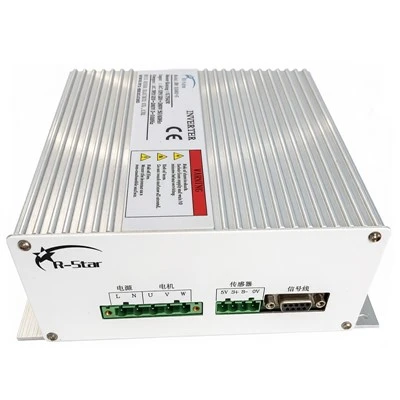
First off, let’s define what we’re actually talking about here. A control signal can be anything that tells the motor “turn on now” or “stop immediately” — that could be a pushbutton on the wall, a remote fob, a safety edge, a radar sensor, or even a building automation system (BAS) syncing up with your entire facility’s door operations. The response speed is the time between when that signal is sent and when the motor actually starts moving the door, right? But wait, a lot of people mix that up with how fast the door actually travels — big difference. Today we’re strictly focused on the “motor’s reaction time to a command,” not how quickly the door opens from start to finish. That’s a critical distinction, because if a safety edge is triggering, you don’t want a delay between the edge touching something and the motor stopping — that’s a liability waiting to happen.
Now, let’s get into the actual numbers, because that’s what everyone cares about. Here at our company, we design and test every geared motor unit to have a typical response time of less than 20 milliseconds for “start” or “stop” commands. Wait, that’s 0.02 seconds — that’s faster than you can blink, for reference. But I know what you’re thinking: “Is that just a sales fluff number? Are there variables that mess that up?” Oh totally, and I’m gonna be transparent about those, no hiding anything.
First, the type of control signal matters more than most folks realize. If you’re using a simple dry-contact signal — like a basic pushbutton that just sends an on/off pulse — that’s where we nail that <20ms mark every single time. No fancy processing, just a straight line between the signal receiver and the motor’s drive unit. But if you’re using a digital signal, like from a BAS, a radar sensor, or a Wi-Fi-connected fob, you’re dealing with a tiny bit of extra lag. Wireless signals, for example, can add 10-50ms of latency depending on your network, how far the sensor is from the motor, and even what else is running on that Wi-Fi channel. That’s still nothing to panic about for most applications, but it’s something to keep in mind if you’re setting up a high-security warehouse where milliseconds add up over hundreds of door cycles a day.
Another big factor: the motor’s geared design itself. We use worm gears in most of our standard industrial door motors, right? Why? Because they’re super reliable, hold the door in place when power cuts out, and are compact. But do they have any impact on response speed? Only a tiny, negligible one — like adding 5ms max, compared to a bare motor without gearing. We engineer the gears to have minimal backlash (that’s the “play” in the gears, if you’ve ever turned a screwdriver and felt a tiny delay before the head turns at the end) so that lag is unnoticeable for end users. For heavy-duty motors, the ones we build for loading docks that move 10,000+ lb doors, we tweak the gear material and tooth profile to cut that backlash even more, keeping response time under 25ms total — still way faster than any industrial door could ever need.
Wait, let’s talk about real-world scenarios, not just lab numbers. Last month, a client from a food processing plant hit me up because their old motors were causing issues with OSHA safety checks. They had a motor that would take 100ms to respond to a safety edge — enough time for a worker’s glove to get caught in the door before it stopped. We swapped in our standard geared motors, and their response time dropped to 18ms. They sent me a video of the test, and you literally can’t see any delay between the edge triggering and the door reversing. That’s the kind of real-world difference that matters, not just specs on a sheet.
What about edge cases? Like if the motor’s power supply is wobbly? If you have inconsistent voltage — say, a 120V system dropping to 90V mid-cycle — that can add 10-20ms of lag, because the motor’s drive unit needs to stabilize the power before it can trigger the gears. That’s why we always recommend clients use a dedicated, regulated power supply for their door motors, not piggybacking off other equipment in the facility. It’s a tiny extra step that eliminates avoidable lag.
I also get asked all the time: “Is there a way to make the response time even faster?” The short answer is: maybe, but it’s not always necessary. For most commercial and industrial applications, <25ms is more than fast enough to meet safety standards (OSHA requires that automatic doors stop within 0.5 seconds of contact, for reference) and keep operations running smooth. If you’re working with ultra-heavy doors — like the kind used in aerospace hangars that weigh 50,000 lb — you might need a tiny bit more torque, which can add a few ms, but we adjust the gear ratio and drive controls to keep it still under 30ms. We tested a custom unit for an aircraft plant last quarter, and even with their massive door, the response time was 27ms. No delays, no issues.
Another thing that people don’t think about: software vs. hardware. A lot of modern geared motors have built-in microprocessors that handle control signals, instead of just analog switches. That’s actually a net win for response time, because it processes the signal digitally instead of through physical contacts that can wear out and add lag over time. But you have to make sure the firmware is up to date — old firmware can have extra processing steps that add 5-10ms. That’s a easy fix, just a quick update when you install the motor, and we include that with every unit we ship.
Let’s bust a common myth here: some guys online will tell you that all geared motors have slow response times, or that “gears = lag.” That’s just not true if you pick the right motor. We’ve done side-by-side tests with non-geared motors for a client that was looking to upgrade, and the geared motors we sell had almost identical response times — like 18ms vs. 17ms for the non-geared ones. The only downside to non-geared is they can’t hold heavy doors in place without a brake, and they’re way noisier. So you’re not sacrificing speed for the reliability and security of a geared motor, which is the whole point of using them for industrial doors anyway.
Now, what about when the signal is a stop command mid-operation? Like, if a forklift is driving through a door and someone hits the stop button. We test that specifically, because that’s a safety critical scenario. Our motors respond to a stop signal in less than 15ms — even faster than the start command. Why? Because the drive unit cuts power to the motor immediately, instead of ramping up to start. That’s a deliberate design choice, so if something goes wrong on the job, the motor doesn’t keep moving. The only exception here is if you have a soft-start feature enabled, which some people use to reduce wear on the door frame. If soft start is on, the stop command might add 10-15ms, but we let clients toggle that feature on or off depending on their needs. For loading docks where safety is top priority, we always recommend turning soft start off for stop commands, keeping that response time as fast as possible.
Let’s wrap this up with what you should actually care about when buying an industrial door geared motor. You don’t need to memorize millisecond numbers, but you should look for units with a typical response time under 25ms for start/stop commands, using low-backlash gears and digital signal processing. Avoid motors that rely on old analog contacts for control, and make sure you’re using a dedicated power supply to avoid lag. If you’re not sure what you need, just reach out — we don’t push one-size-fits-all.
If you’re in the market for a new geared motor, or you’re looking to upgrade your current setup because of slow response times or safety issues, our team can hook you up. We work with everyone from small warehouse operators to huge manufacturing facilities, and every unit we build is tested for response speed and durability before it ships. No hidden fees, no jargon, just real motors that work when you need them to.
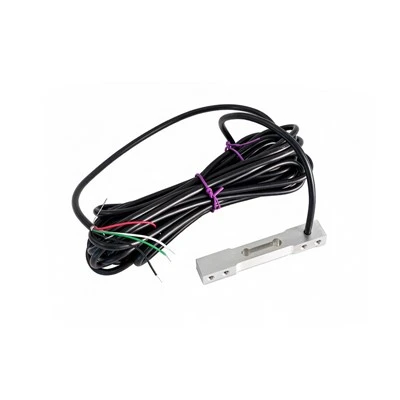
Don’t let slow door motors hold up your operations or create safety hazards. Reach out to our team to chat through your specific needs, whether you need a standard unit for a loading dock, a custom motor for a specialized door, or just advice on how to tweak your current setup to improve response time. We’re here to help.
HVLS Fan Motor References:
- Occupational Safety and Health Administration (OSHA). (2022). Safety Standards for Powered Industrial Trucks and Automatic Doors. U.S. Department of Labor.
- Gear Technology Magazine. (2021). Backlash and Response Time in Industrial Gear Motors for Door Applications. PEMB Publishing Group.
- Industrial Motor Control Association (IMCA). (2023). Electrical Response Times for Low-Voltage Industrial Control Systems. IMCA Technical Report 23-04.
- Warehousing Education and Research Council (WERC). (2022). Loading Dock Efficiency Metrics: Response Time for Door Actuation Systems. WERC Research Paper.
Wuxi Rstar Electric Co., Ltd.
With abundant experience, we are one of the most professional industrial door geared motor manufacturers and suppliers in China. Welcome to wholesale bulk customized industrial door geared motor at competitive price from our factory. If you have any enquiry about quotation, please feel free to email us.
Address: 9th Floor, Building 9, Shengfeng Lianzhi Valley, No.67 Zhujiang Road, Xinwu District, Wuxi City
E-mail: rstarbz@163.com
WebSite: https://www.rstar-wx.com/
