Hey there! I’m a supplier of galvanized steel pipes, and I often get asked about the corrosion rate of these pipes. So, I thought I’d take a moment to share what I know and help you understand this important aspect. Galvanized Steel Pipe
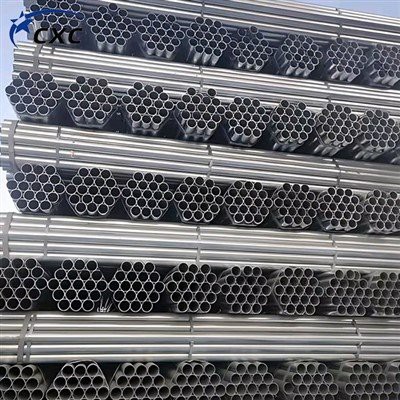
First off, let’s talk about what galvanized steel pipes are. Galvanized steel pipes are regular steel pipes that have been coated with a layer of zinc. This zinc coating acts as a protective shield, significantly reducing the chances of corrosion. It’s like giving the steel pipe a suit of armor to fend off the harsh elements.
Now, the corrosion rate of galvanized steel pipes isn’t a one – size – fits – all number. It depends on a whole bunch of factors.
One of the biggest factors is the environment in which the pipes are used. If the pipes are installed in an area with a mild, dry climate, the corrosion rate will be relatively slow. For example, in a desert region where there’s little humidity and few pollutants in the air, the galvanized coating can last for decades. The zinc layer slowly reacts with the oxygen in the air to form a thin, stable oxide layer that further protects the steel beneath.
On the other hand, if the pipes are exposed to a harsh, corrosive environment, things can be very different. In coastal areas, where the air is filled with saltwater mist, the corrosion rate can be much higher. Saltwater is extremely corrosive, and it can break down the zinc coating more quickly. The chloride ions in the salt can react with the zinc, causing it to dissolve and expose the underlying steel. Similarly, in industrial areas with high levels of air pollution, especially if there are sulfur compounds present, the corrosion rate can also increase. These pollutants can react with the zinc coating and speed up the corrosion process.
The thickness of the zinc coating also plays a crucial role. A thicker zinc coating generally means a slower corrosion rate. When manufacturers apply the zinc coating, they can control its thickness. Pipes with a heavier – duty coating will take longer for the zinc to wear away and for the steel to start corroding. For example, pipes used in high – risk environments often have a thicker zinc layer to ensure a longer lifespan.
The quality of the steel itself matters too. Higher – quality steel is less likely to have impurities that could accelerate corrosion. If the base steel has lots of imperfections or contains a high amount of certain elements that are prone to reacting with the environment, it can affect how well the zinc coating does its job. Even with a good zinc coating, a poor – quality steel pipe might start to show signs of corrosion earlier.
Another factor is the water content and pH level when the pipes are in contact with water. If the water is acidic, it can eat away at the zinc coating. Acidic water can be found in some industrial wastewater or in areas with high levels of acid rain. In contrast, slightly alkaline water can form a protective layer on the zinc surface, which can actually slow down the corrosion process to some extent.
Now, let’s talk about some typical corrosion rates. In a very mild environment, like indoors in a dry building, the corrosion rate of galvanized steel pipes can be as low as 0.1 to 1 micrometers per year. That’s incredibly slow! At this rate, the zinc coating can last for well over a hundred years.
In a moderately corrosive environment, such as a rural area with normal humidity, the corrosion rate might be in the range of 1 to 5 micrometers per year. This means that the pipes can still have a long service life, often around 30 to 50 years, depending on the thickness of the initial zinc coating.
In a highly corrosive environment, like a coastal area or a chemical plant, the corrosion rate can jump to 5 to 20 micrometers per year or even higher. In such cases, the zinc coating might only last for 10 to 20 years before significant corrosion of the underlying steel starts to occur.
As a supplier, I always make sure to inform my customers about these different factors that affect the corrosion rate. I want them to make the right choice for their specific needs. If they’re building a water supply system in a coastal town, I’d recommend pipes with a thicker zinc coating. If it’s for an indoor plumbing project in a dry area, a standard – coated pipe might do the trick just fine.
I also provide some tips on how to extend the lifespan of the galvanized steel pipes. One of the simplest things is to regularly inspect the pipes. Check for any signs of damage to the zinc coating, like scratches or dents. If you notice any, you can use a zinc – rich paint or a cold – galvanizing compound to repair the damaged area. This will prevent the underlying steel from being exposed to the corrosive environment.
Proper installation is also key. Make sure the pipes are installed in a way that minimizes contact with standing water or other corrosive substances. For example, when laying pipes underground, ensure good drainage to prevent water from pooling around the pipes.
So, if you’re in the market for galvanized steel pipes, don’t just think about the price. Consider the environment where the pipes will be used, and choose the right coating thickness accordingly. We have a wide range of galvanized steel pipes to meet different requirements, whether you need them for construction, plumbing, or industrial applications.

If you’re interested in learning more or want to discuss your specific needs, I’d love to have a chat with you. We can figure out the best solution for your project and ensure you get high – quality galvanized steel pipes that will last for a long time. Don’t hesitate to reach out if you have any questions or want to start a procurement discussion.
Zinc Aluminum Magnesium Steel Pipe References:
- "Corrosion of Metals" by John Wiley & Sons
- "Handbook of Corrosion Data" by McGraw – Hill
Wuxi Chengxingchuang Metal Products Co., Ltd.
As one of the most professional galvanized steel pipe manufacturers and suppliers in China, we’re featured by quality products and good price. Please rest assured to buy cheap galvanized steel pipe for sale here from our factory. Customized orders are welcome.
Address: No. 8-2, Zhoujia Lane, Liangxi District, Wuxi City, Jiangsu Province, China
E-mail: 13961862735@163.com
WebSite: https://www.cxcsteeltube.com/
