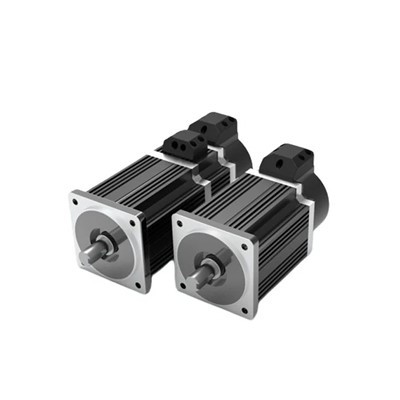
As a supplier of DC gearmotors, I often get asked about the technical details of our products. One of the most common questions is about the magnetic field in a DC gearmotor. In this blog post, I’ll explain what the magnetic field is, how it works in a DC gearmotor, and why it’s so crucial to the performance of the motor. DC Gearmotor
Understanding the Basics of Magnetic Fields
Before we dive into the specifics of DC gearmotors, let’s first understand what a magnetic field is. A magnetic field is a region in space where a magnetic force can be detected. It is created by moving electric charges, such as electrons. Every magnet has a north pole and a south pole, and magnetic field lines flow from the north pole to the south pole. These field lines represent the direction and strength of the magnetic force at any given point in the field.
The strength of a magnetic field is measured in teslas (T) or gauss (G), where 1 tesla is equal to 10,000 gauss. The Earth’s magnetic field, for example, is very weak, measuring about 0.5 gauss at the surface. In contrast, the magnetic fields used in DC gearmotors can be several hundred to several thousand gauss, depending on the design and application.
How Magnetic Fields Work in a DC Gearmotor
A DC gearmotor is a combination of a DC motor and a gearbox. The DC motor converts electrical energy into mechanical energy through the interaction of magnetic fields. Inside a DC motor, there are two main components that create magnetic fields: the stator and the rotor.
The Stator
The stator is the stationary part of the motor. It typically consists of permanent magnets or electromagnets. In the case of permanent magnets, they are made from materials such as neodymium, samarium – cobalt, or ferrite, which have strong magnetic properties. These magnets create a fixed magnetic field around the inside of the motor housing.
When using electromagnets, the stator has coils of wire wrapped around iron cores. When an electric current passes through these coils, it generates a magnetic field according to Ampere’s law. The direction and strength of the magnetic field can be controlled by adjusting the current flowing through the coils.
The Rotor
The rotor is the rotating part of the motor. It is made up of a series of coils of wire wound around an iron core, known as an armature. When an electric current is passed through the coils in the rotor, a magnetic field is created around the armature.
According to the Lorentz force law, when a current – carrying conductor (the coils in the rotor) is placed in a magnetic field (created by the stator), a force is exerted on the conductor. This force causes the rotor to rotate. The direction of the rotation is determined by the direction of the current in the rotor coils and the direction of the magnetic field from the stator.
Commutation
To keep the rotor rotating continuously in the same direction, a process called commutation is used. In a DC motor, a commutator is a split – ring device that is attached to the rotor shaft. As the rotor rotates, the commutator reverses the direction of the current in the rotor coils at the appropriate time. This ensures that the magnetic field of the rotor is always oriented in such a way that it interacts with the stator’s magnetic field to produce a continuous rotational force.
Importance of the Magnetic Field in DC Gearmotors
The magnetic field is the heart of a DC gearmotor, and its properties have a significant impact on the motor’s performance. Here are some key aspects:
Torque Production
Torque is the rotational force that causes an object to rotate. In a DC gearmotor, the strength of the magnetic field directly affects the torque output. A stronger magnetic field between the stator and the rotor results in a greater force being exerted on the rotor coils, which in turn produces more torque. This is crucial for applications where high – torque is required, such as in robotics, automotive actuators, and industrial machinery.
Speed and Efficiency
The magnetic field also influences the speed and efficiency of the DC gearmotor. By adjusting the strength of the magnetic field (for example, by controlling the current in an electromagnetic stator), the speed of the motor can be regulated. Additionally, a well – designed magnetic field configuration can minimize energy losses due to eddy currents and magnetic hysteresis, which improves the overall efficiency of the motor.
Reliability and Durability
The stability and consistency of the magnetic field are essential for the long – term reliability and durability of the DC gearmotor. Permanent magnets need to maintain their magnetic properties over time, and the insulation of the coils in the stator and rotor must be able to withstand the electrical and magnetic stresses. A high – quality magnetic field design ensures that the motor can operate smoothly and reliably for extended periods.
Factors Affecting the Magnetic Field in DC Gearmotors
Several factors can affect the magnetic field in a DC gearmotor. Understanding these factors is crucial for optimizing the motor’s performance.
Magnet Material
As mentioned earlier, the choice of magnet material for the stator can have a significant impact on the magnetic field strength. Neodymium magnets, for example, have a very high magnetic energy product, which means they can produce a strong magnetic field in a relatively small size. However, they are also more expensive and can be sensitive to high temperatures. Ferrite magnets are more affordable and have good temperature stability but offer lower magnetic field strength compared to neodymium magnets.
Coil Design
The design of the coils in the stator and rotor, including the number of turns, the gauge of the wire, and the winding pattern, can affect the magnetic field. More turns of wire in a coil generally result in a stronger magnetic field for a given current, but it also increases the resistance of the coil, which can lead to higher energy losses.
Temperature
Temperature can have a profound effect on the magnetic properties of materials. As the temperature increases, the magnetic field strength of permanent magnets can decrease. In extreme cases, if the temperature exceeds the Curie temperature of the magnet material, the magnet can lose its magnetic properties completely. Therefore, proper heat management is essential in DC gearmotors to maintain the stability of the magnetic field.
Applications of DC Gearmotors Based on Magnetic Field Characteristics
The unique magnetic field characteristics of DC gearmotors make them suitable for a wide range of applications.
Robotics
In robotics, DC gearmotors are used to power the joints of robotic arms and legs. The high – torque output and precise speed control provided by the magnetic field interaction allow robots to perform complex movements with accuracy.
Automotive
In the automotive industry, DC gearmotors are used in various applications such as power windows, windshield wipers, and seat adjusters. The ability to produce a reliable and controllable rotational force makes them ideal for these applications.
Industrial Automation
In industrial automation, DC gearmotors are used in conveyor belts, packaging machinery, and assembly lines. Their efficiency and durability, which are closely related to the magnetic field design, ensure smooth and continuous operation in industrial environments.
Conclusion
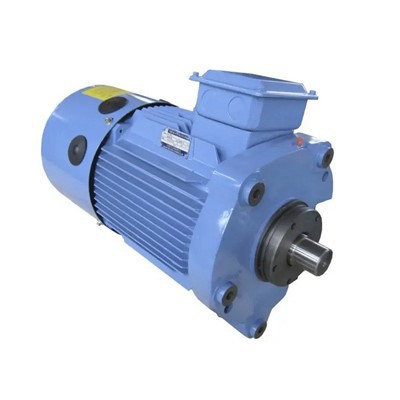
In conclusion, the magnetic field is a fundamental aspect of DC gearmotors. It is responsible for converting electrical energy into mechanical energy, and its properties determine the motor’s torque, speed, efficiency, reliability, and durability. As a supplier of DC gearmotors, we understand the importance of optimizing the magnetic field in our products to meet the diverse needs of our customers.
DC Motor If you are in the market for high – quality DC gearmotors and want to learn more about how our products can meet your specific requirements, we invite you to contact us. Our team of experts is ready to discuss your application and provide you with the best solutions.
References
- Halliday, D., Resnick, R., & Walker, J. (2014). Fundamentals of Physics. Wiley.
- Fitzgerald, A. E., Kingsley, C., & Umans, S. D. (2003). Electric Machinery. McGraw – Hill.
- Chapman, S. J. (2012). Electric Machinery Fundamentals. McGraw – Hill.
Zibo Auric Mechanical and Electrical Technology Co., Ltd.
As one of the leading dc gearmotor manufacturers and suppliers in China, we warmly welcome you to buy advanced dc gearmotor for sale here from our factory. All customized motors are with high quality and competitive price.
Address: B419, High-tech Entrepreneurship Park, High-tech Zone, Zibo City
E-mail: cui@auricmotor.com
WebSite: https://www.auricmotor.com/
