What is the Temperature Range for a Pneumatic Valve Actuator?
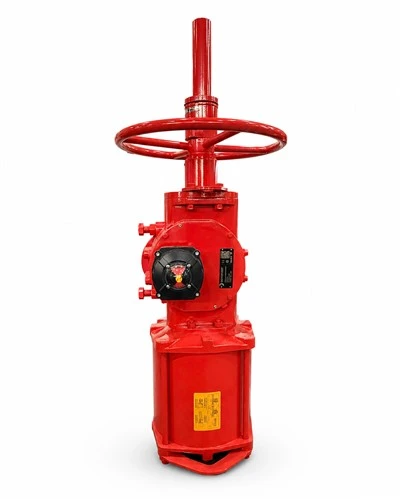
As a supplier of pneumatic valve actuators, understanding the temperature range for these essential components is crucial. Pneumatic valve actuators are widely used in various industries, including oil and gas, chemical, power generation, and water treatment. The performance and longevity of these actuators are significantly influenced by the operating temperature. In this blog, we will delve into the factors that determine the temperature range for pneumatic valve actuators, the typical limits, and how to handle extreme temperature conditions. Pneumatic Valve Actuator
Factors Affecting the Temperature Range
Several factors play a role in determining the suitable temperature range for a pneumatic valve actuator.
One of the primary factors is the material of the actuator. Different materials have different thermal properties. For instance, actuators with aluminum bodies are lightweight and have good corrosion resistance. However, aluminum has a relatively low melting point compared to other metals. At high temperatures, aluminum can lose its structural integrity, leading to deformation or failure of the actuator. On the other hand, steel actuators are more robust and can withstand higher temperatures. Steel has a high melting point and better mechanical strength at elevated temperatures, making it a preferred choice for applications in high – heat environments.
The type of seals used in the actuator also affects the temperature range. Seals are essential for preventing air leakage and ensuring proper functioning of the actuator. Elastomeric seals are commonly used in pneumatic valve actuators due to their flexibility and sealing capabilities. However, different elastomers have different temperature limits. For example, nitrile rubber (NBR) seals are suitable for a moderate temperature range, typically from -20°C to 100°C. Fluorocarbon rubber (FKM) seals, also known as Viton, can withstand much higher temperatures, up to 200°C or even higher in some cases. Silicone rubber seals are known for their wide temperature range, from -60°C to 230°C, but they may have lower chemical resistance compared to other elastomers.
The lubricants used in the actuator are another important consideration. Lubricants reduce friction between moving parts, ensuring smooth operation. However, lubricants have specific temperature ranges within which they can maintain their viscosity and lubricating properties. At low temperatures, lubricants can thicken, increasing the friction and making it difficult for the actuator to operate. At high temperatures, lubricants can thin out or break down, leading to increased wear and tear of the actuator components.
Typical Temperature Ranges
The typical temperature range for a standard pneumatic valve actuator can vary depending on its design and construction. In general, most commercial pneumatic valve actuators are designed to operate in a temperature range of -20°C to 80°C. This range is suitable for many common industrial applications, such as general process control in factories, water treatment plants, and some HVAC systems.
For actuators used in more extreme environments, there are specialized models available. In low – temperature applications, such as in cold storage facilities or in Arctic operations, pneumatic valve actuators can be designed to operate at temperatures as low as -40°C or even lower. These actuators typically use special seals and lubricants that can maintain their properties at extremely cold temperatures.
In high – temperature applications, such as in refineries, power plants, or chemical reactors, pneumatic valve actuators can be engineered to withstand temperatures up to 200°C or higher. These high – temperature actuators often feature metal seals and high – temperature – resistant lubricants. They may also have additional heat – shielding or cooling mechanisms to protect the internal components from the excessive heat.
Handling Extreme Temperature Conditions
When dealing with extreme temperature conditions, several measures can be taken to ensure the proper functioning of pneumatic valve actuators.
In low – temperature environments, pre – heating the actuator can be an effective solution. This can be achieved by using external heating elements, such as electrical heaters or heat tracing. Pre – heating helps to bring the actuator to an operating temperature where the lubricant and seals can function properly. Additionally, using low – temperature – rated seals and lubricants is essential. These specialized materials are formulated to maintain their flexibility and lubricating properties at cold temperatures.
In high – temperature environments, cooling the actuator may be necessary. Cooling methods can include air – cooling or water – cooling. Air – cooling can be achieved by using fans to direct cool air over the actuator. Water – cooling involves circulating water through cooling jackets around the actuator to remove heat. Another approach is to use heat – insulating materials to reduce the amount of heat transferred to the actuator from the surrounding environment.
Regular maintenance is also crucial in extreme temperature conditions. This includes inspecting and replacing seals and lubricants at regular intervals, as these components are more likely to degrade under extreme temperatures. Monitoring the actuator’s performance and temperature can help detect any potential issues early and prevent costly breakdowns.
Conclusion

In conclusion, the temperature range for a pneumatic valve actuator is determined by several factors, including the material of the actuator, the type of seals, and the lubricants used. The typical temperature range for a standard actuator is -20°C to 80°C, but specialized models are available for extreme temperature applications. By understanding the factors that affect the temperature range and taking appropriate measures to handle extreme conditions, we can ensure the reliable and long – lasting performance of pneumatic valve actuators.
Scotch Yoke Actuator If you are in need of pneumatic valve actuators for your specific application, whether it’s in a normal temperature environment or an extreme one, we are here to help. Our experienced team can assist you in selecting the right actuator based on your temperature requirements and other operating conditions. We offer a wide range of high – quality pneumatic valve actuators that are designed to meet the diverse needs of our customers. Contact us to discuss your procurement needs, and let’s work together to find the best solution for your project.
References
- "Pneumatic Actuator Handbook", Industrial Valve Association
- "Materials Science for Valve Components", ASM International
- "Lubrication in Pneumatic Systems", Society of Tribologists and Lubrication Engineers
Zhejiang Bigtork Valve Automation Co., Ltd.
Zhejiang Bigtork Valve Automation Co., Ltd. is one of the leading pneumatic valve actuator manufacturers and suppliers in China. We warmly welcome you to buy customized pneumatic valve actuator at competitive price from our factory. Contact us for more details.
Address: 98 Yuanqu Avenue,Anfeng Industrial Zone,Oubei,Yongjia,Zhejiang,China.
E-mail: sales@bigtork.com
WebSite: https://www.bigtork.com/
